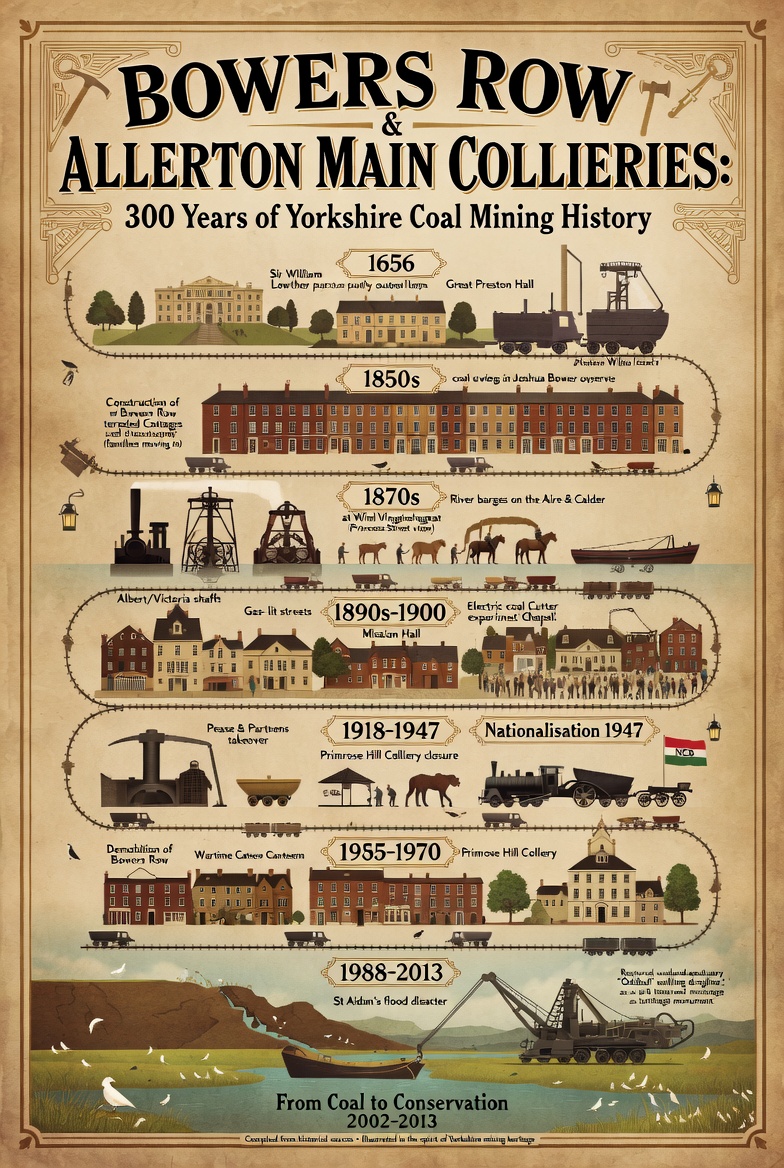
This timeline is under continual research and will be updated and amended on a regular basis.
This icon  signifies that there is further information available and can be accessed by clicking or tapping on the icon.
Pre-industrial era
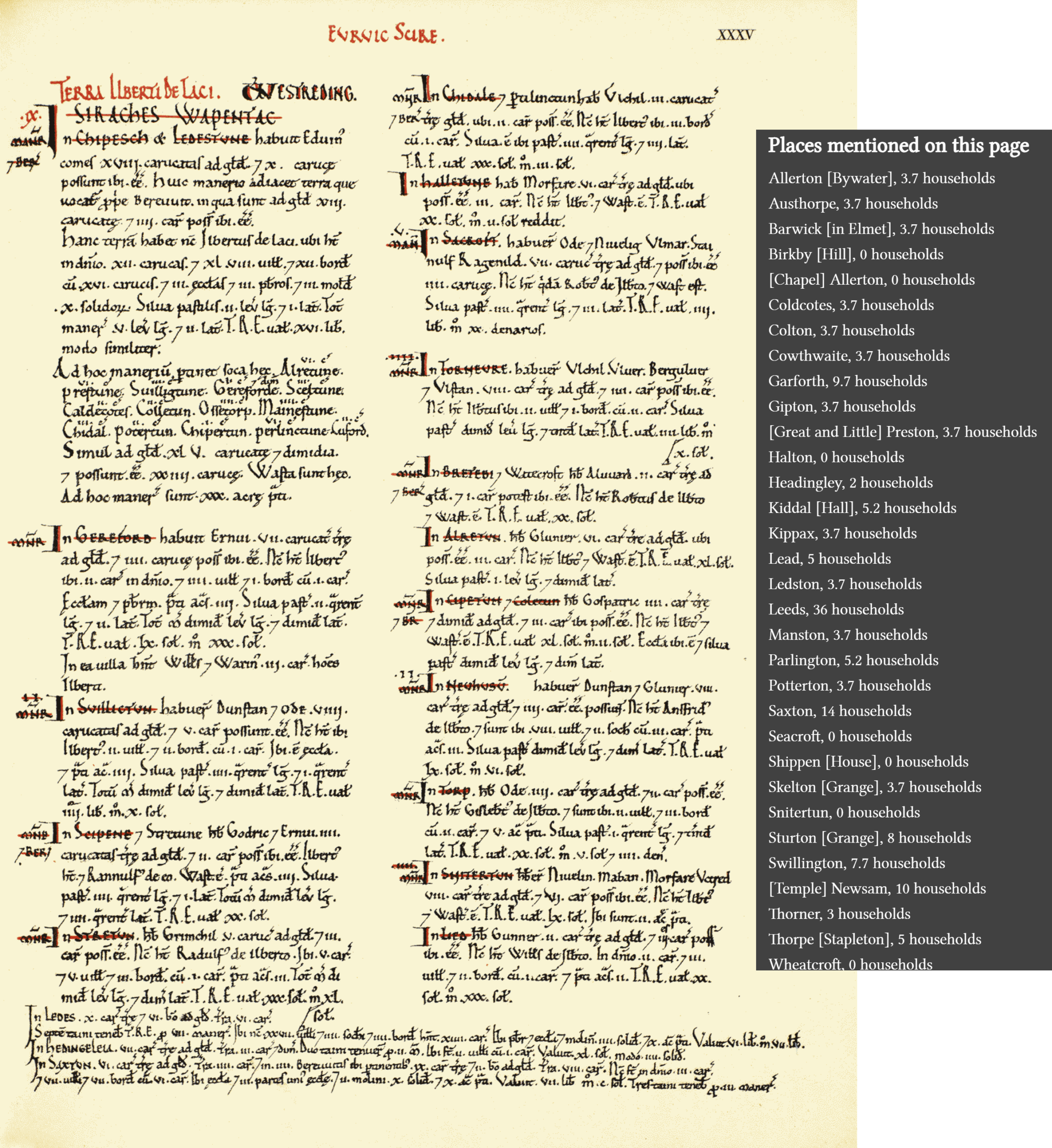
- 1086: Swillington mentioned in Domesday Survey as “Sullinton,” a small agricultural settlement.
- Roman period: Evidence of coal mining in Kippax (Warren House Seam outcropping east of Great Preston).
17th–18th centuries – Lowther era
- August 1656: Sir William Lowther purchases Great Preston and Astley for £7,010, drawn by coal and lime resources. Lowther family (from Whitehaven, Cumberland) begins developing mining.
- Late 17th century: Lowthers expand coal and limestone operations at Great Preston and Astley.
- 1702: River Aire made navigable from Knottingley to Leeds, enabling economic coal transport to limestone kilns.
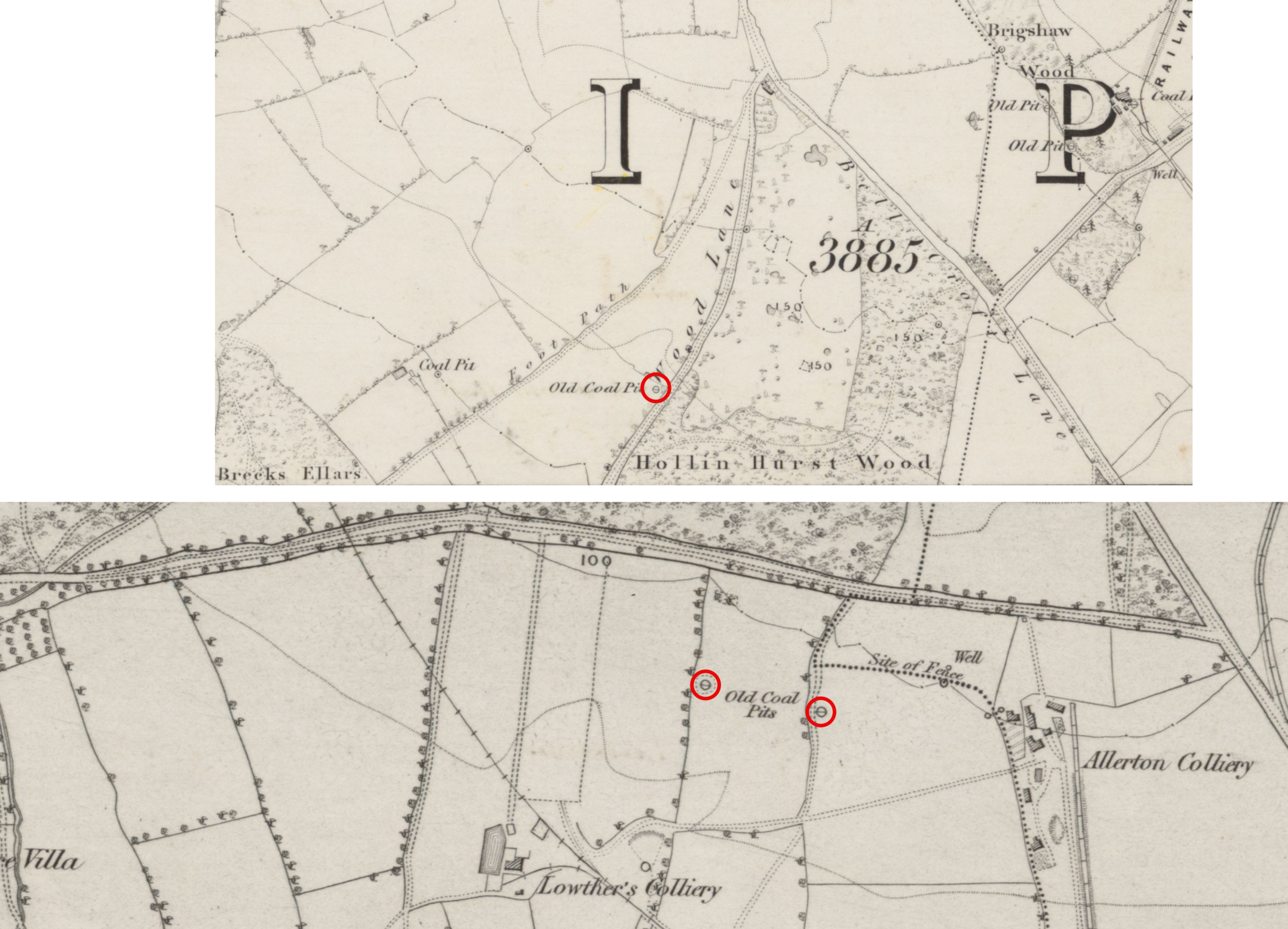
- 1729–1736: Hollinhurst Colliery (three pits) sunk near Great Preston; uses furnace ventilation and wooden roof supports.
- 1736–1749: Larger sinkings at Astley, close to the River Aire.
- By 1757: Timothy Smith appointed experienced colliery manager for Lowther interests.
- December 1762: Sir William Lowther (son) dies; family hands day-to-day mining to lessees.
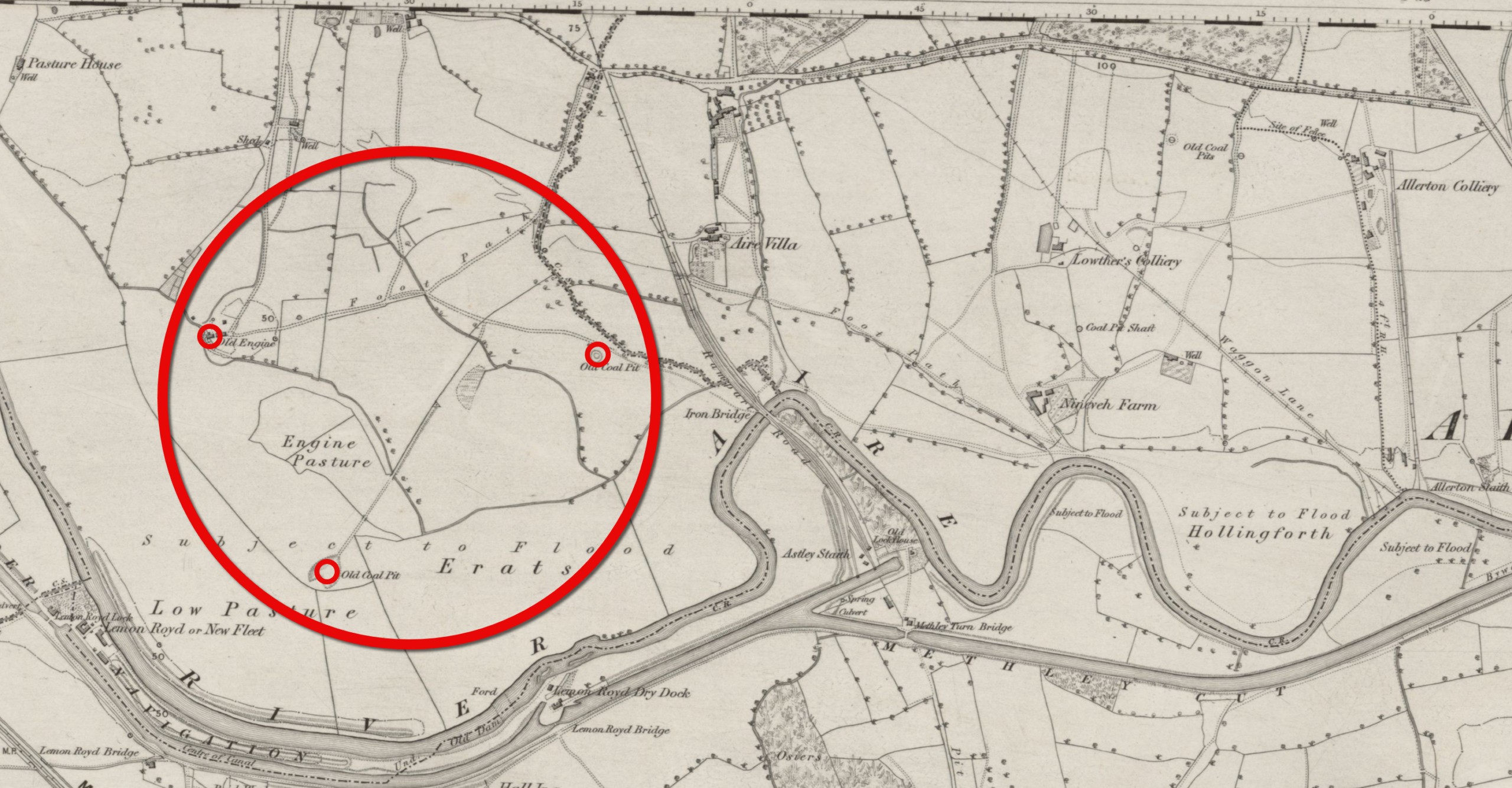
- By 1764: Wagonway built to Astley staithe on the Aire & Calder Navigation; wooden bridge over river.
- Late 1760s: Timothy Smith and James Fenton lease Swillington Estate Collieries (Lowther family); only shallow Warren House Seam worked.
- 1770: Steam-operated beam pumping engine installed to control water.
- 1775: Smith, Fenton & Company lease Allerton Bywater Colliery.
- 1796: Charles Smith (Timothy’s son) succeeds as lessee at Astley.
- 1803: Timothy Smith dies.
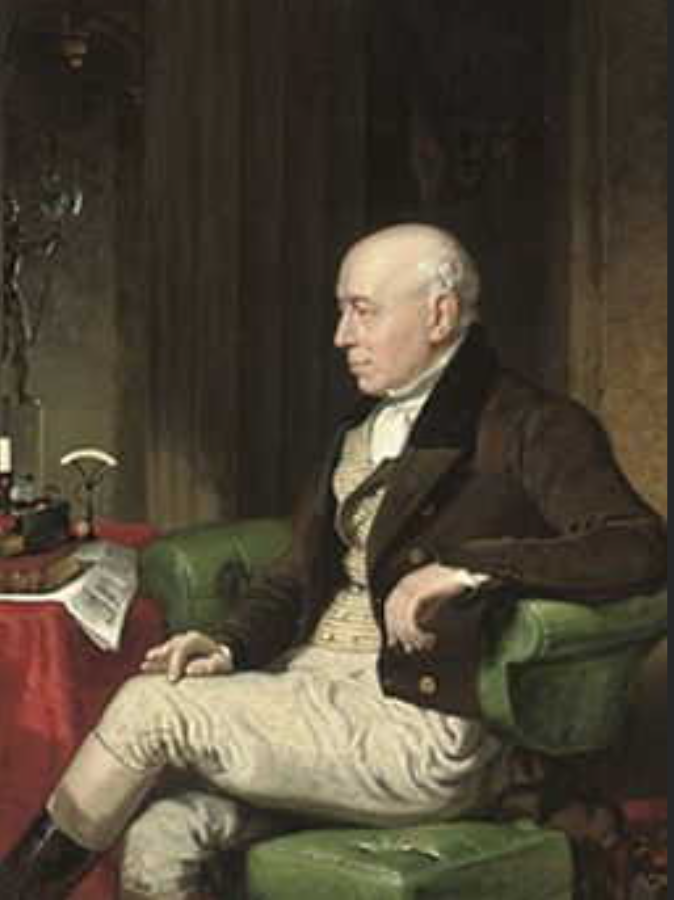
- 1821: Charles Smith replaced as lessee by Joshua Bower (born 1773, glass manufacturer and toll farmer).
19th century – Bower era and village founding
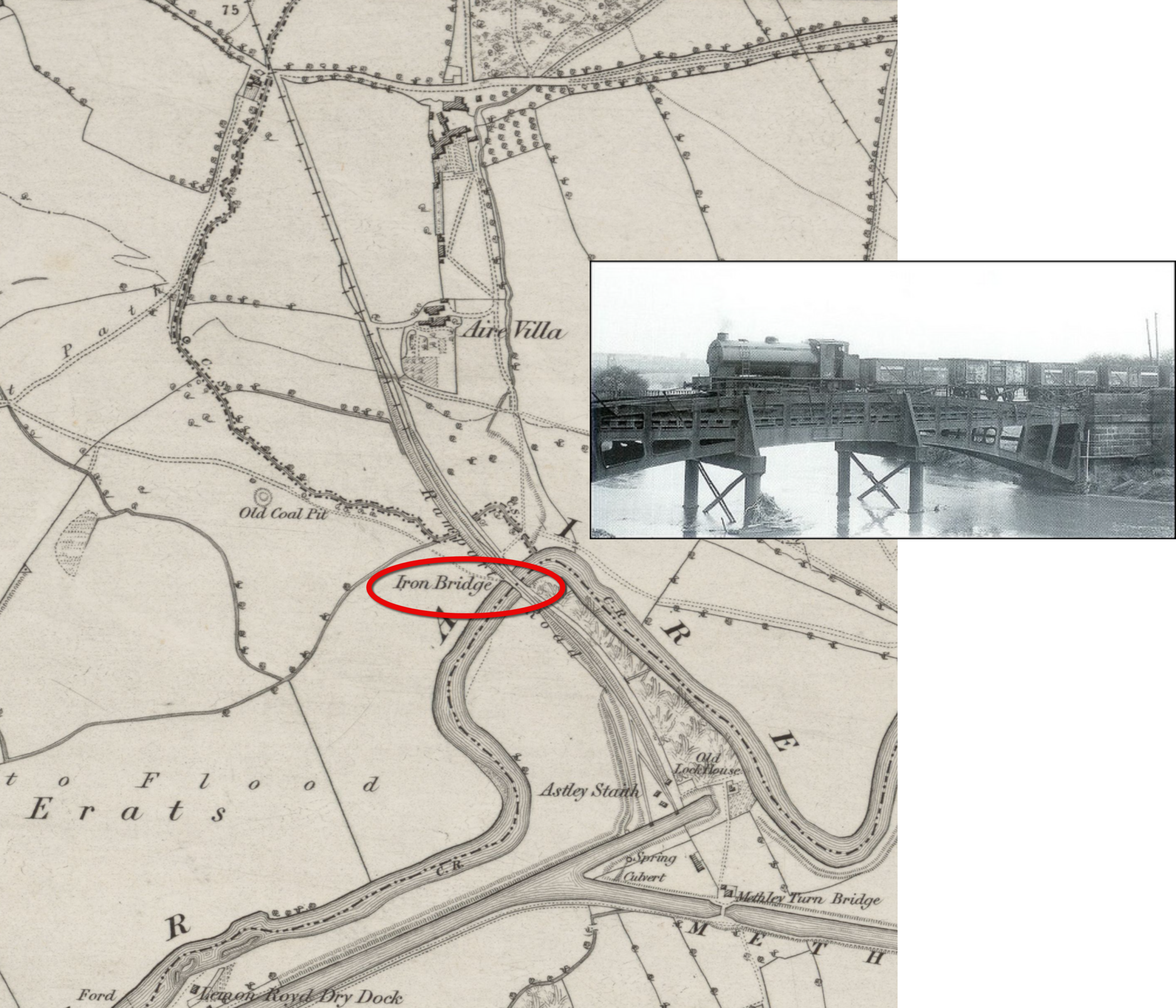
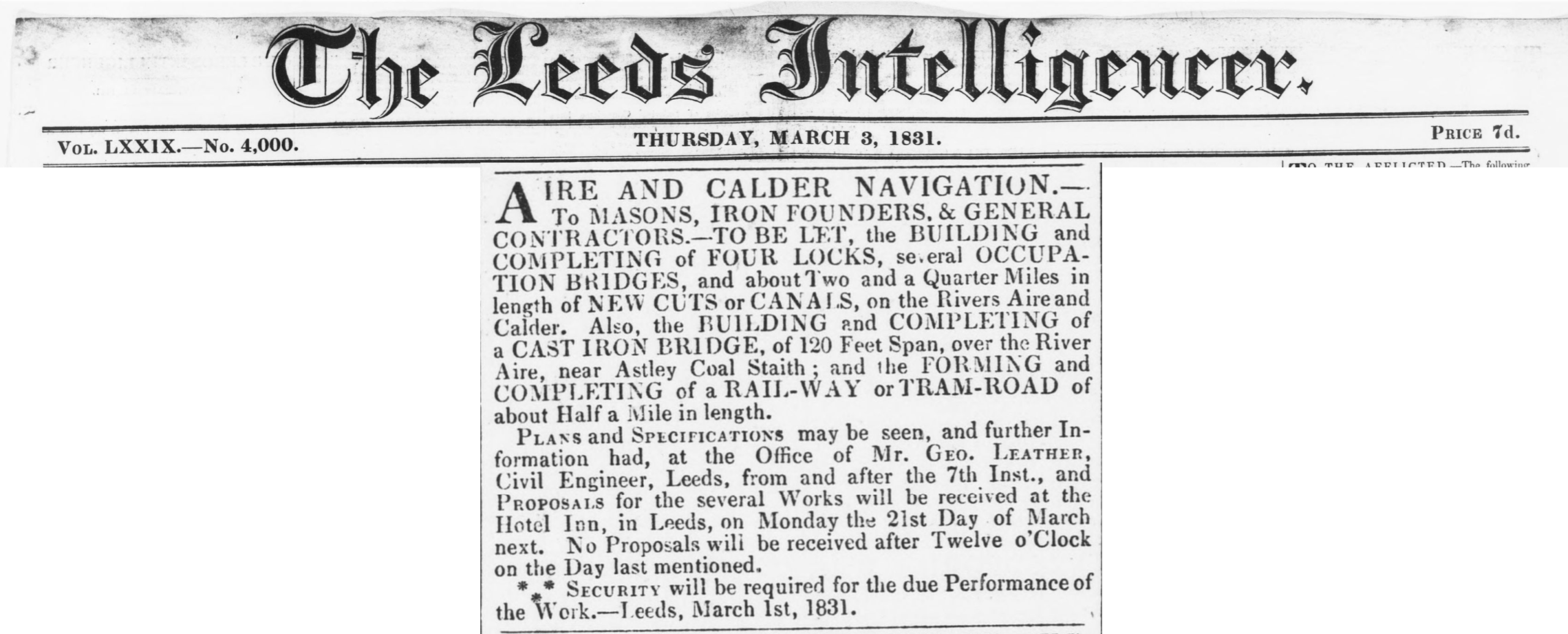
- By 1831: Iron bridge over River Aire to staithe; tramway connects pit to staithe. Warren House Seam (32 yards deep, 50-inch section) is primary working.
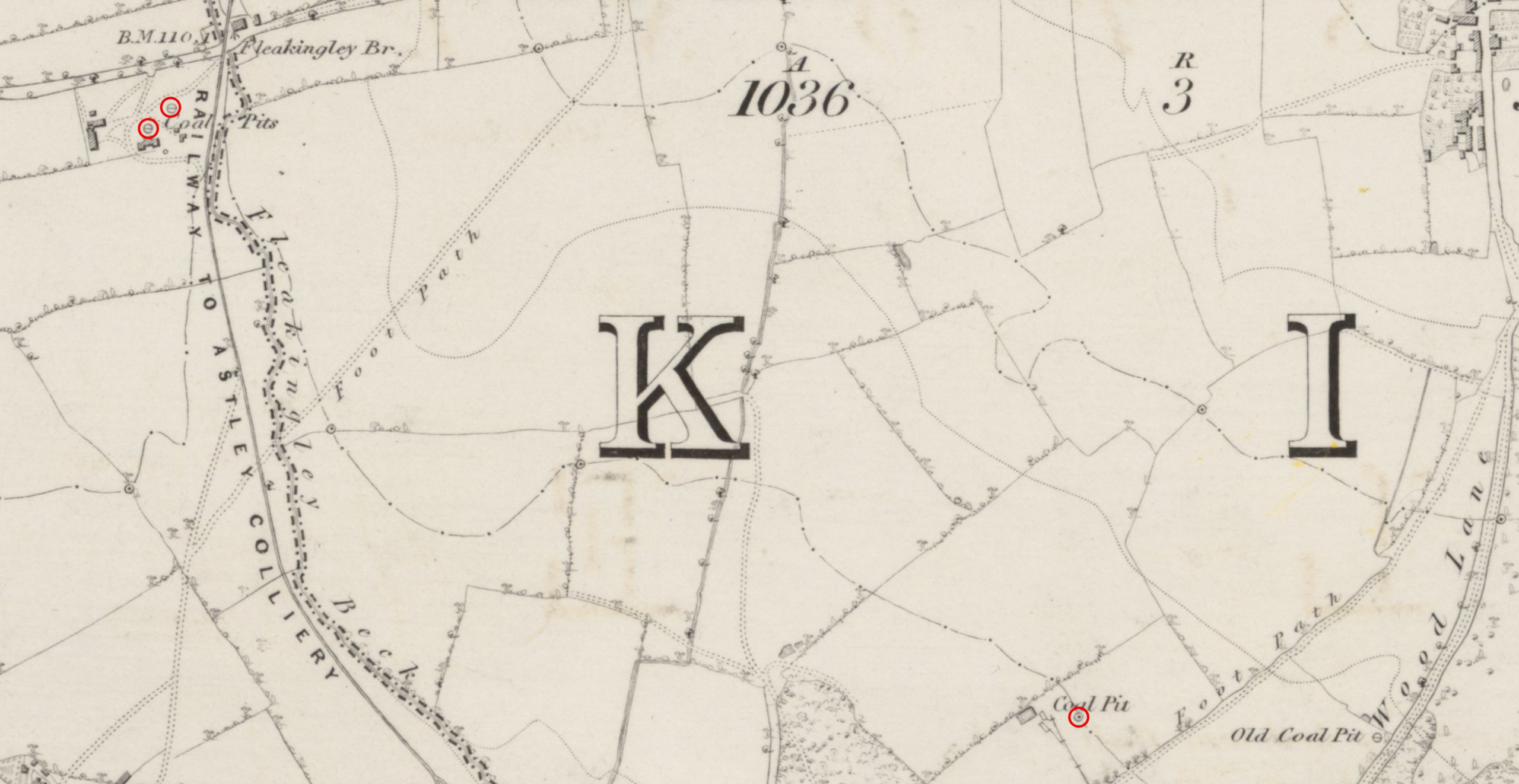
- By 1845: Three new shafts sunk for Warren House Seam – Albert and Victoria (aka Star and Johnny) between Fleakingley and Methley Savile faults; Fleakingley Pit on rise side. All on north-west/south-east axis.
- 1850: Deeper seams leased – Haigh Moor (95 yards, 55 inches) at Albert/Victoria; Silkstone (38 inches, 122 yards) at Fleakingley.
Bowers Row housing built for workers (130 red-brick cottages in terraces: Queen, Princess, Engine, New, Hill, Albert, Wood, School Streets; communal water taps, middens, no paved streets). - 7 September 1855: Joshua Bower dies aged 82 (personal fortune >£100,000).
- 1857: 80 h.p. Bradley & Craven steam winding engine purchased.
- 1861: Bowers brothers sell glass interests (Crown Bottle Works) to focus solely on coal.
- 1865: School for miners’ children built by Lowthers near Bowers Row. First use of compartment boats for coal shipping from Astley staithe.
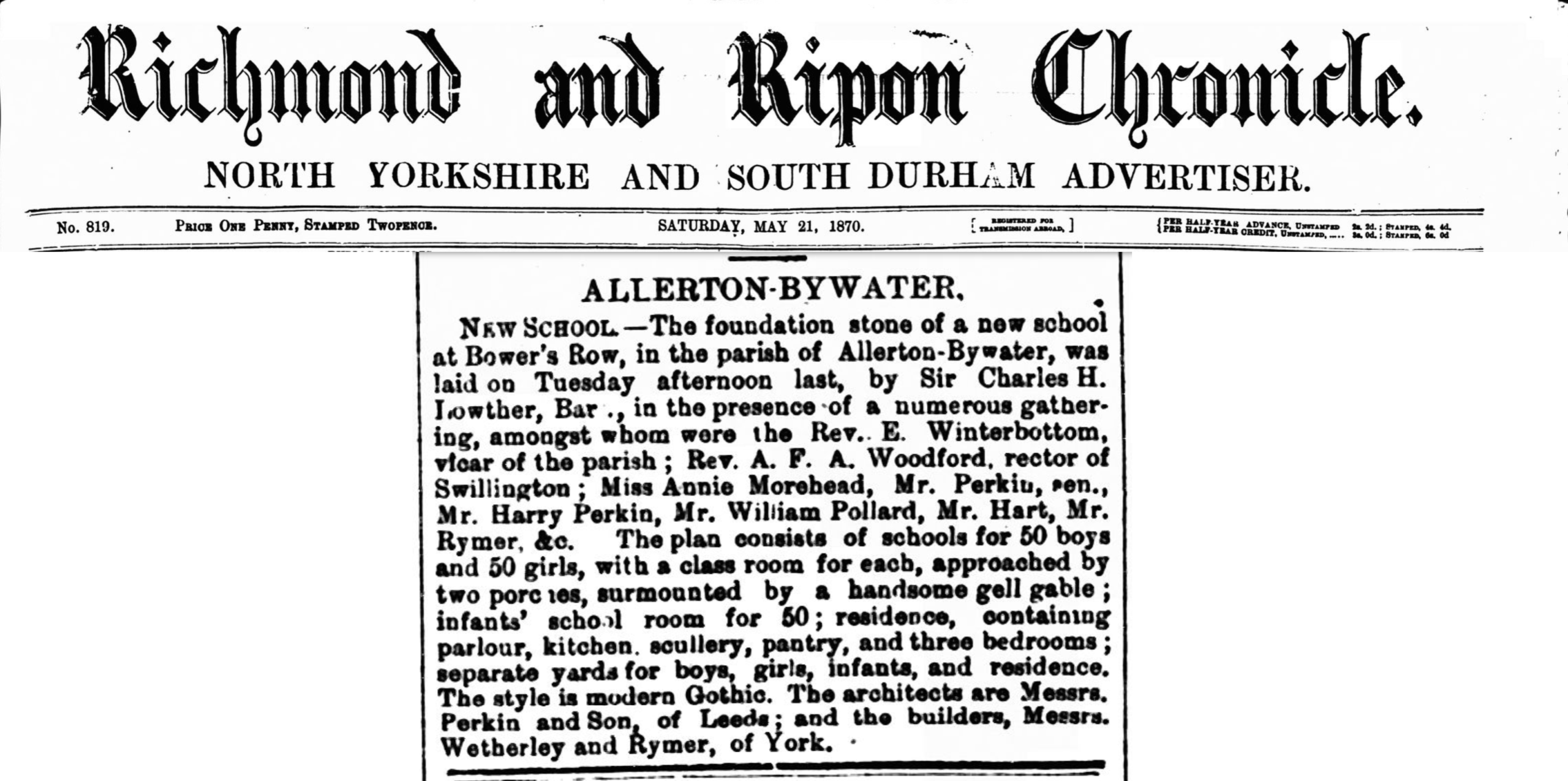
(This probably happened later as the newspaper article, below, states that the foundation stone of a new school at Bowers Row was laid by Sir Charles H. Lowther Bart. on Tuesday 17th May 1870. M.T) - 1870: Albert Shaft widened (16 ft) and deepened to Silkstone (263 yards); Victoria Shaft widened (15 ft) to Middleton Little (240 yards). Connected by drift for ventilation.
- 1873: Production begins from Silkstone and Middleton Little seams. Large influx of Irish/Scottish migrant miners. Lowther (Middle) Pit sunk. Internal colliery railway system and steam locomotives (“Astley” 1873, “Swillington” 1874). Old tramway upgraded. Company incorporated as Bowers Allerton Main Collieries Ltd.
- 1873/74: Major lease renegotiation (mainly 3,284-acre Swillington Estate).
- 1875: Furnace ventilation ends; Guibal steam-powered fan installed.
- 1878: Connected to mainline railway (Leeds, Castleford & Pontefract Branch); exchange sidings at Lowther Pit.
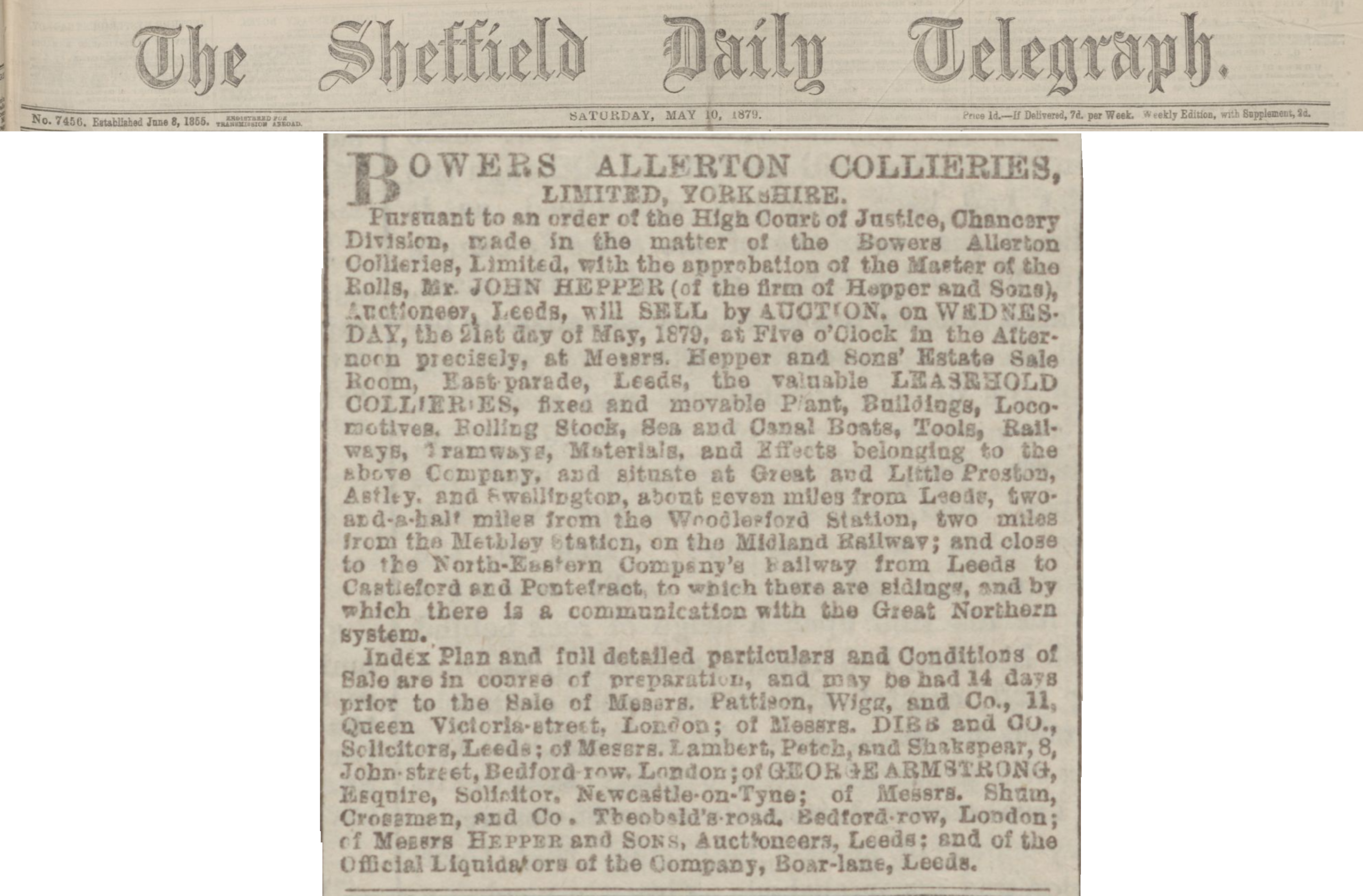
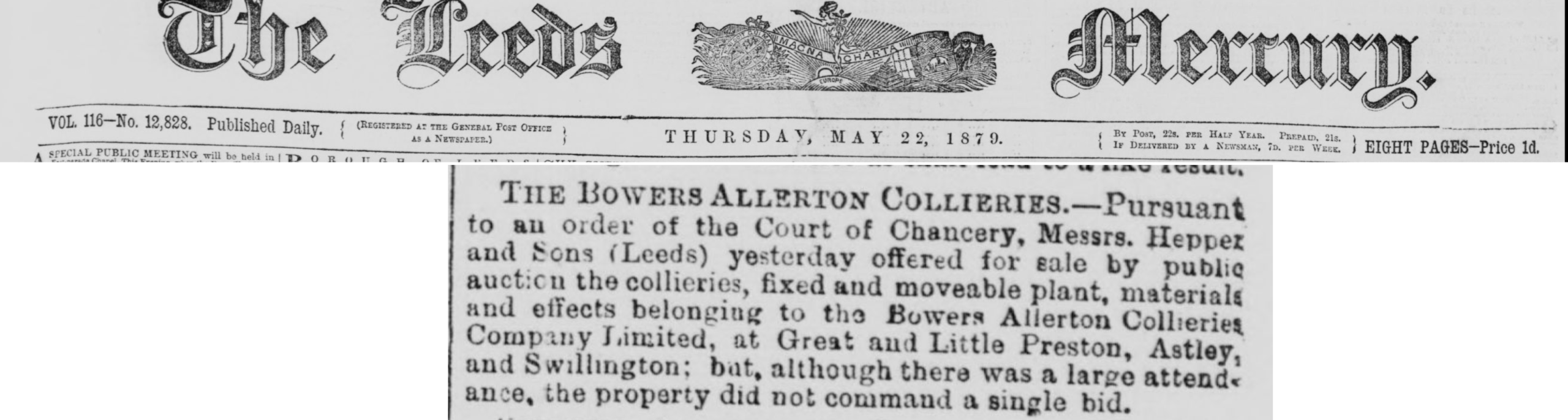
- 1879: Collieries advertised for sale (no buyers and no bids).
- 1885: West Allerton Colliery works Haigh Moor Seam under sub-lease from Henry Briggs & Co.
- 1887: Water taken from Aire & Calder Navigation for steam raising.
- 1888: Experiments with one of Britain’s first electric coal-cutters (Goolden 6 h.p. machine) at West Allerton (Haigh Moor).
- 1890: First horse-and-trap transport to Castleford.
- 1893: Primrose Hill No.1 Shaft sunk (15 ft, 215 yards) to Beeston Seam as part of Fleakingley Beck Colliery. New railway embankment to Victoria.
- 1894: Explosion at Albert Pit kills four men.
- 1895: Silkstone working from Fleakingley Beck ceases.
- 29 October 1896: Bowers Row Mission Hall (Chapel) opened. Shop includes post office; large allotments with pigeon huts. Employment: 328 UG/73 surface (Albert), 63 UG/26 surface (Fleakingley), 376 UG/86 surface (Primrose Hill), 249 UG/66 surface (Victoria).
- 1898–1901: Victoria Shaft deepened to Beeston Seam (358 yards).
- 1902–1904: Fleakingley Beck No.2 Shaft sunk (12 ft, 213 yards to Beeston).
- 1903–1904: Victoria No.2 Shaft sunk (15 ft, 358 yards to Beeston); ventilation staple shaft between seams.
- 1903: Beeston Seam production begins at Victoria. ~400 pit ponies across sites.
- 1905: 11 standard-gauge saddle-tank steam locomotives owned. Street lighting introduced (gas lamps by 1912).
- 1911: Picture house opens at Kippax; regular football matches (Bowers Row vs Kippax).
- 1912: Gas lighting installed in Bowers Row houses. Primrose Hill Shaft fitted with Waddle steam fan.
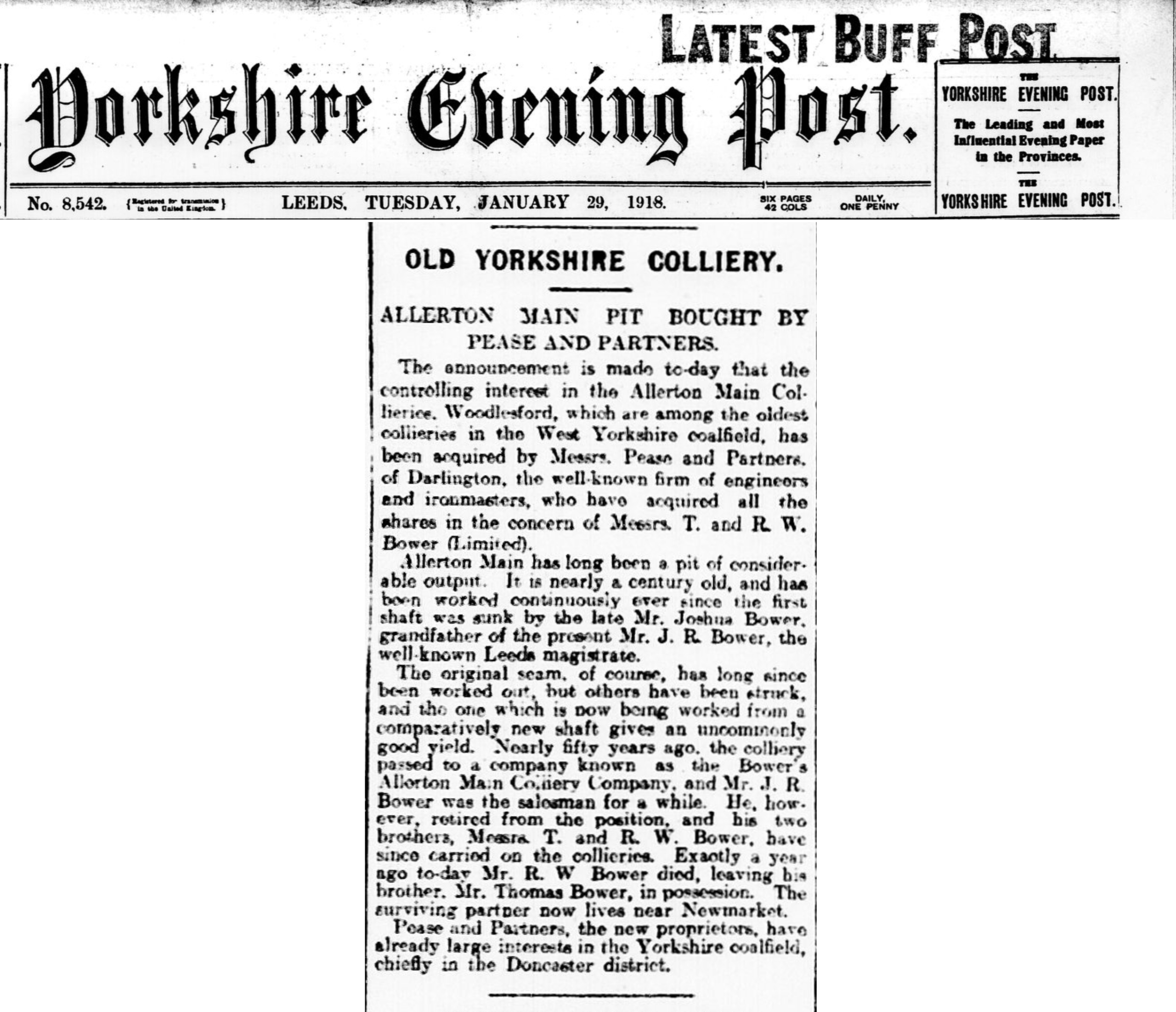
- 1918: Entire share capital of T. & R.W. Bower Ltd bought by Pease & Partners (County Durham) for £300,000; 3,000-acre freehold estate acquired soon after. Company name retained. Employment figures recorded.
- Post-WWI (late 1910s): Telephones installed underground at Victoria.
- 1919: Headgear fire at Victoria No.2 (reparable). Electricity generated at Victoria supplied underground, to surfaces, and to Bowers Row houses.
- 1920: Colliery Company purchases remaining 3,284-acre Swillington Estate from Sir Charles Bingham Lowther (had bought 320 acres of Leventhorpe Estate in 1902).
- 1921: Swillington Park Mine opened (abandoned 1923; 21 UG/5 surface).
- 1922–23: Major re-organisation by Pease & Partners; 620 × 13 cwt tubs supplied to Victoria.
- 1924: Warren House Seam re-opened via 1-in-5 surface drift behind Victoria Shafts. 50 new dwellings built in Swillington (Aberford Road / St Mary’s Avenue / Princess Street) for colliery workers (option to purchase).
- 1925–26: Swillington houses electrified via Primrose Hill sub-station.
- December 1927: Warren House surface drift workings cease.
- 4 May 1928: Warren House Seam officially abandoned.
- 1929: 120-ton/hour Rheolaveur Baum Washery installed at Victoria. Joint venture T. & R.W. Bower (Illingworth) Carbonisation Co. Ltd formed (£75,000 capital).
- 1930: Albert Colliery discontinued (only 3,000 tons from Silkstone). Total Allerton Main output: 450,000 tons (mainly Beeston).
- 1932: Fleakingley Beck re-opened for previously sterilised Silkstone coal.
- 1933: 120-ton/hour Goodall Clayton screens installed near Victoria for Silkstone coal.
- 13 February 1934: First AB electric coal-cutter operates in Silkstone at Fleakingley Beck. Output reduced to 368,000 tons due to quotas.
- Early 1935: Albert Colliery finally abandoned; headgear demolished and shaft filled (1937).
- 2 November 1935: Bowers Row (all 130+ dwellings and shop) sold for £7,600.
- Early 1936: 50 Swillington houses sold.
- September 1936: Allerton Main joins South Yorkshire Allied Collieries Ltd (with Bentley, Manvers Main, etc.).
- Early 1937: 160-ton/hour Goodall Clayton screens commissioned at Primrose Hill.
- 17 July 1937: First sod cut for Primrose Hill No.2 (Mount Pleasant) upcast shaft.
- 1 December 1937: Electric safety lamps introduced at Allerton Main.
- September 1938: Mount Pleasant shaft completed (13 ft, 223 yards to Beeston).
- 22 August 1938: Regular man-riding begins at Mount Pleasant.
- 14 December 1938: All Primrose Hill workforce using Mount Pleasant shaft.
1940s – War, nationalisation, and final operations
- 1940: Peak combined output 575,481 tons. Beeston worked by double-unit longwall faces with AB 15 cutters at Primrose. Middleton Eleven Yard Seam begins at Victoria. Employment figures recorded. Airedale Collieries Ltd begins buying shares.
- 1941–43: Flockton Seam entered at Fleakingley/Primrose area via drifts.
- 14 December 1942: Victoria canteen opens (WWII).
- 20 December 1942: Fleakingley and Primrose Hill canteens open.
- 19 March 1945: Airedale Collieries Ltd purchases entire share capital from Pease & Partners.
- 1946: 24 acres sold to Tadcaster RDC for post-war housing (£200/acre). New steel headgear at Primrose No.1. Lowther Pit closed; pumping transferred to Victoria.
- 31 December 1946: On eve of nationalisation – three coal-drawing units (Victoria, Fleakingley/Silkstone, Primrose/Mount Pleasant) within 1 mile; >4,000 acres coal; highly mechanised.
- 1 January 1947: Nationalised into NCB North Eastern Division No.8 (Castleford Area).
- 14 April 1949: Silkstone Surface Drift (Primrose Hill) completed and thirled.
- 1949: Allerton Silkstone (Fleakingley Beck) closes as production unit; workforce absorbed elsewhere.
- 1950: Canteens taken over by NCB.
- Early 1950s: Middleton Little Seam developed at Primrose Hill.
- May 1954: 350-ton/hour dense-medium coal preparation plant commissioned at Primrose Hill (replaces Victoria washer).
- 1955: Group system adopted; Primrose Hill in Castleford Area Group E (with Ledston Luck, Peckfield, Waterloo Main). Employs 1,076 men. School building converted to Institute.
1955–1970 – Closure and demolition
- Summer 1954 & autumn 1955: Major exodus of residents to Tadcaster RDC council houses at Swillington and Great Preston (some rehoused by Coal Board or privately). Last families leave Bowers Row; Post Office closes.
- 30 December 1955: Pontefract & Castleford Express article published describing ongoing demolition of >130 houses; village already a “corpse” with starlings in empty rooms. Mission Hall still active.
- 1956: Entire Bowers Row demolished. Victoria Colliery closes.
- 1957: Victoria loco shed relocated to Primrose Hill.
- 1956–60: Primrose Hill works Crow Coal, Black Bed, Silkstone, Beeston, Middleton Little seams.
- 1959: Kellingley Colliery joins Group E.
- 1962: Yorkshire Division formed; Primrose Hill remains in Group E.
- 1963: Beeston Seam exhausted; Middleton Eleven Yard Seam accessed via rising drifts.
- 27 March 1967: Primrose Hill transferred to NCB North Yorkshire Area.
- August 1967: 610 underground / 230 surface workers; BJD trepan shearers on 220-yard advancing faces in Middleton Little.
- 13 November 1969: Production ceases (only Middleton Little Seam worked).
- End March 1970: Primrose Hill Colliery finally closes. Remaining men redeployed.
- 25 March 1971: Primrose Hill Coal Preparation Plant closes (last rail traffic from site). Site later becomes small industrial park; surrounding area redeveloped as “Primrose Hill” housing estate.
Post-closure legacy
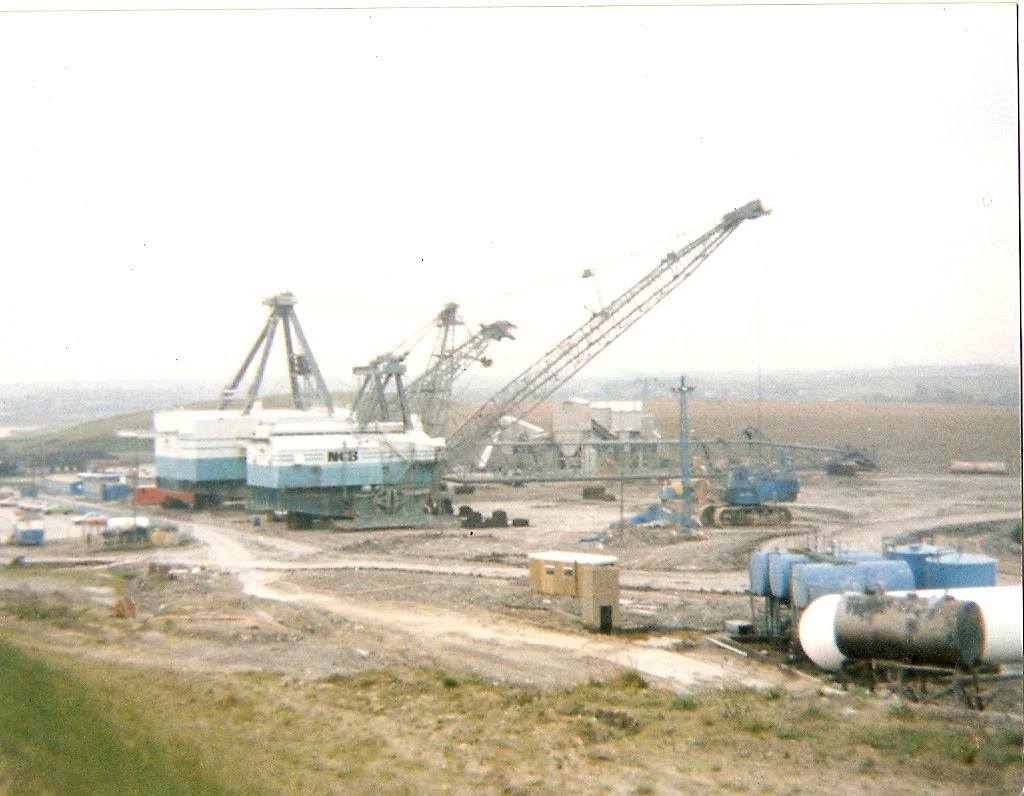
- 1948: Opencast mining begins at Allerton Main / St Aidan’s site using Bucyrus Erie “Oddball” walking dragline (1,200 tons, imported 1946).
- 19 March 1988: Slope failure at St Aidan’s opencast causes breach of River Aire; 4 billion gallons flood site, creating 190-acre lake.
- 1998: Remedial works (£20 million) completed; river re-routed; opencast resumes.
- 1998–17 December 2002: 3 million tonnes coal recovered from St Aidan’s.
- 17 December 2002: Final coal production at St Aidan’s ends. Site restored by UK Coal.
- 2010: Ownership transferred to St Aidan’s Trust.
- 25 May 2013: St Aidan’s Wetland Sanctuary officially opened to public. “Oddball” dragline retained as heritage feature (now roosts for barn owls/kestrels; occasional public openings).
- Primary historical source: Downes, Eddie. Allerton Main Collieries (typescript/docx manuscript, 3380788 bytes). Comprehensive chronological narrative of shafts, seams, ownership, production, and infrastructure from 1656 to nationalisation and beyond.
- Personal / village life source: Bullock, Jim O.B.E. Bowers Row: Recollections of a mining village (EP Publishing, 1976; PDF 20009407 bytes, 242 pages). Provides family arrival (early 1870s at 12 Princess Street), daily life, Mission Hall origins, and personal context for Jim Bullock (born 1903).
- Demolition-era source: Hargrave, John (“Sotto Voce”). “Life and Death of a Village,” Pontefract & Castleford Express, Friday 30 December 1955 (docx transcript, 13476511 bytes). Eyewitness contemporary account of the final clearance of Bowers Row in 1954–1955, resident memories, and cultural significance.
- British Newspaper archive
- Other sources credits will be provided.
Notes on compilation: Dates are taken verbatim where stated; approximate decades (e.g., “mid-nineteenth century” for Bowers Row construction, “early 1870s” for Bullock arrival) are noted as such. Minor overlaps or slight date variances between sources (e.g., gas lighting) are reconciled by the most specific reference. The timeline focuses on verifiable events only.
Author