
The video for this research can be found here

The video for this research can be found here
NOTE :- Some of this information may relate to LOCK LANE as this was classed as ALLERTON BYWATER – pubs such as The Griffin – Navigation Inn – Lord Nelson – Junction – are all listed as Allerton Bywater. Some calculated assumptions therefore, have been made as to the premises.
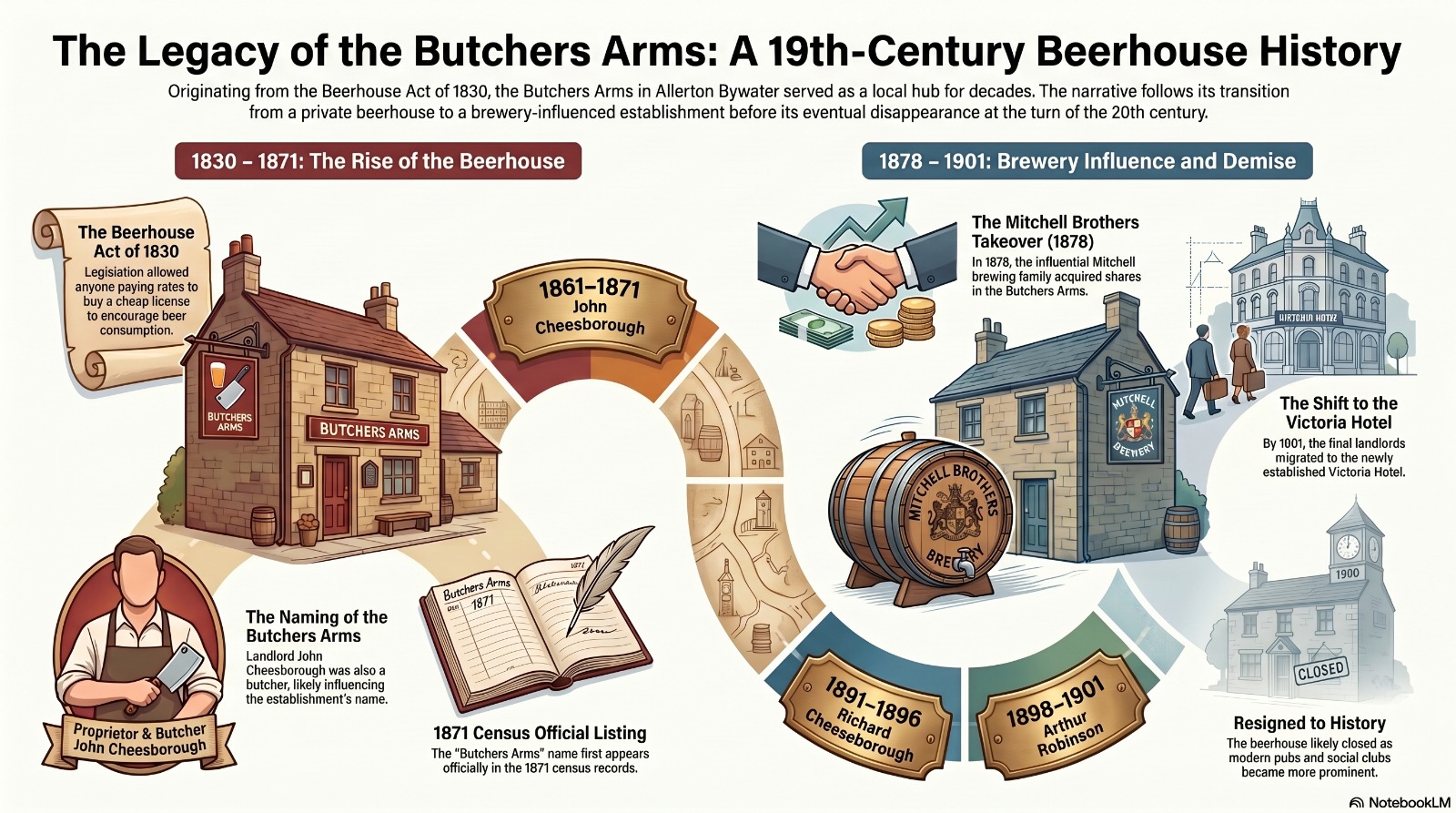
THE BUTCHERS ARMS
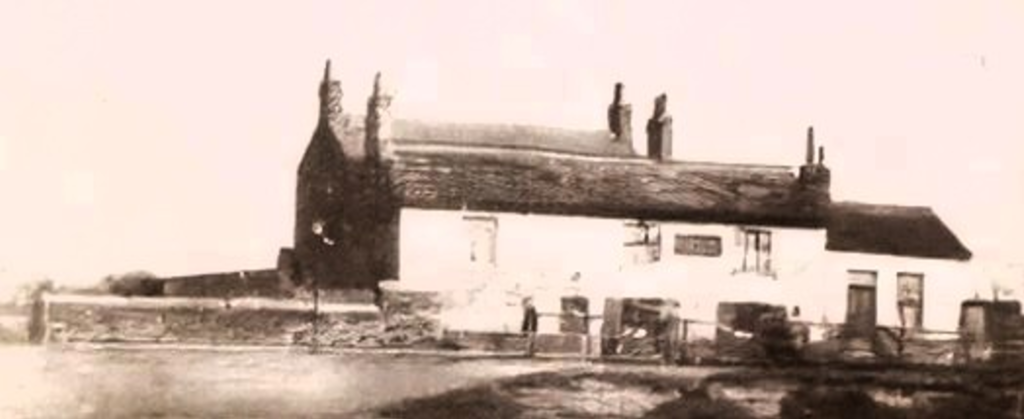
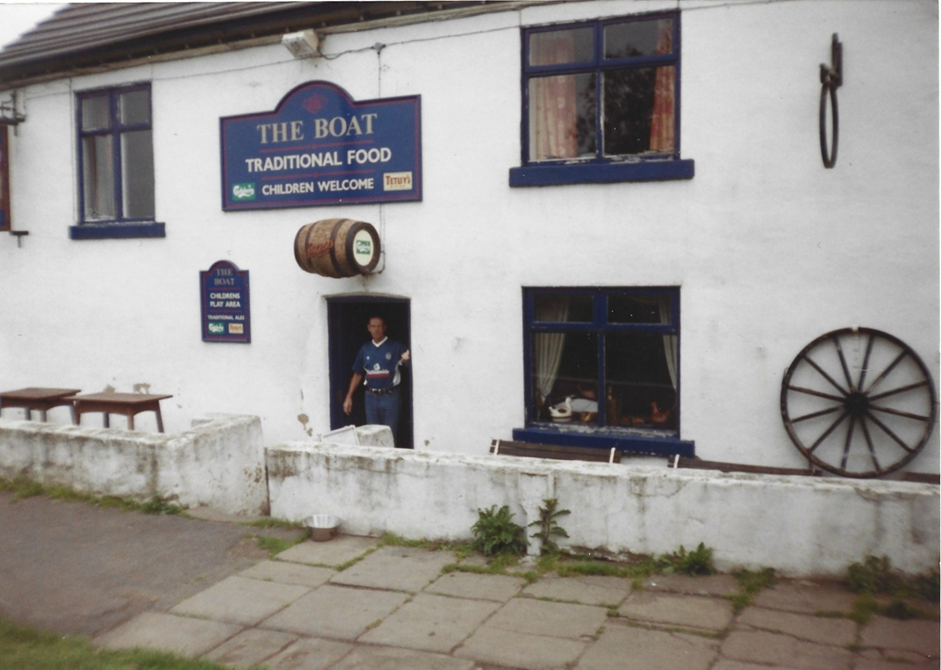
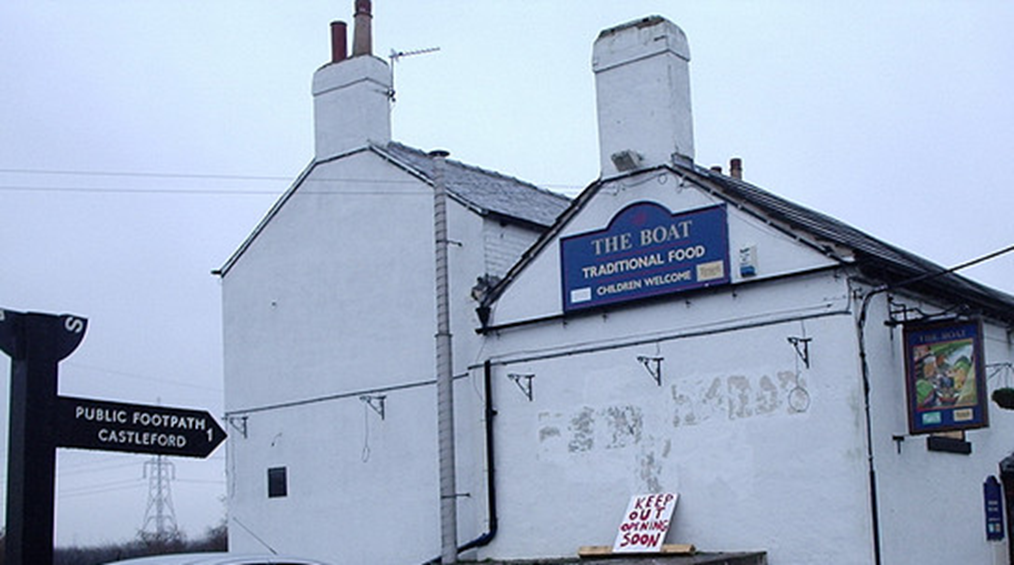
THE BOAT INN
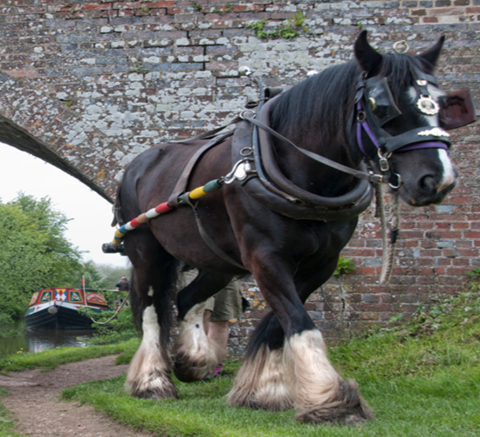
The River Aire was once an essential transport route.
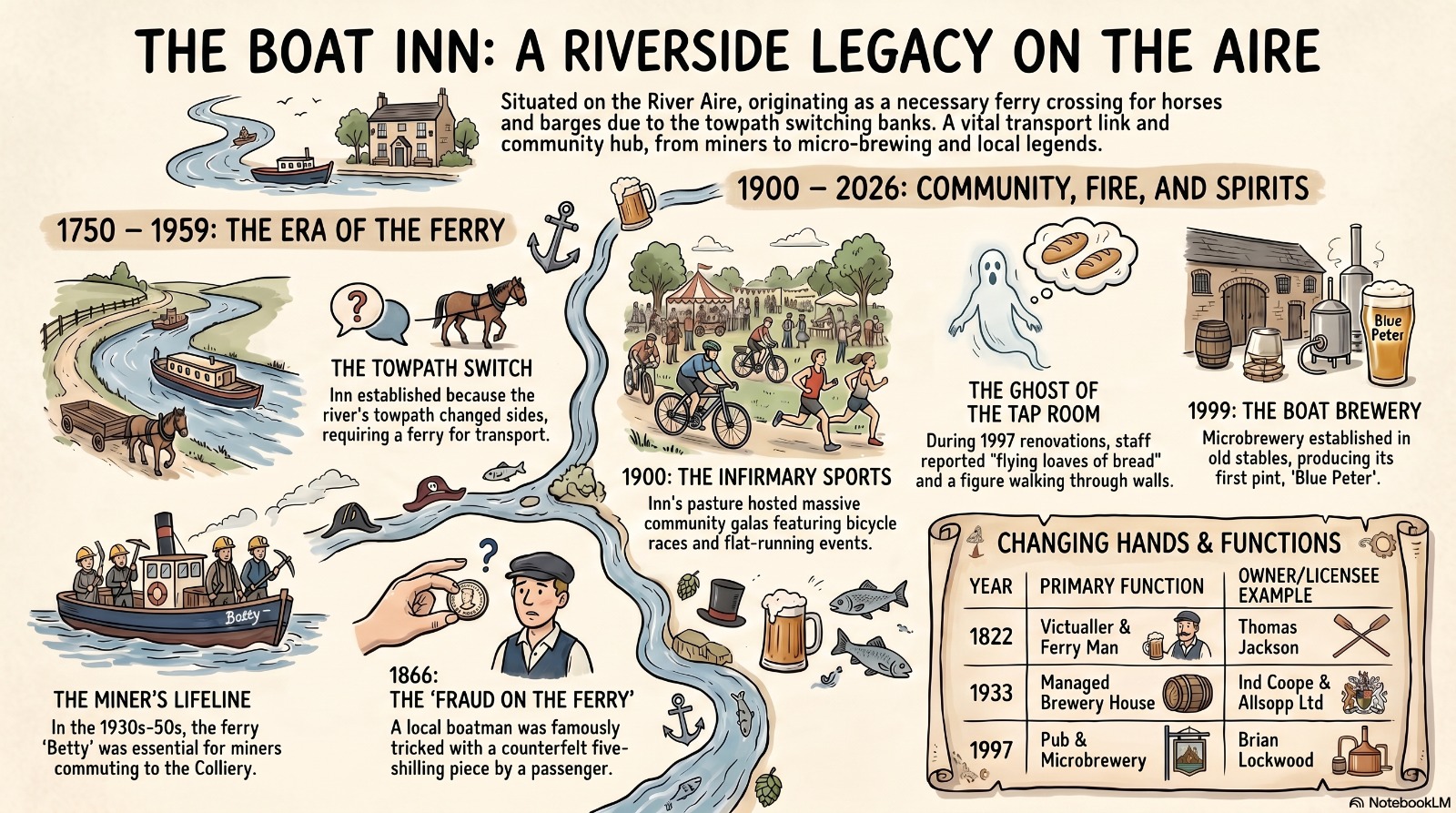
Transportation of goods was carried out by boats or ` BARGES `of various sizes, which were hauled by horse. The horses required a clear, foot-path, in order to pull the barges, and this was known as the ` TOW PATH `. The BOAT INN is situated on the banks of the River Aire at Allerton Bywater and it was at this location that the TOW PATH changed from the Methley side of the river to the Allerton Bywater bank and vice versa. Hence, a means of transportation across the river was required ` THE FERRY BOAT` . The ferry was operated from the local Inn and is often referred to as The Boat House or Ferry Boat Inn on Census records. Over the years, this has been shortened and is now known simply as ` The Boat Inn.`
The Ferry plays a major part of the Boat Inn history as recorded later.
NOTE:- Some of this information may relate to LOCK LANE as this was classed as ALLERTON BYWATER – pubs such as The Griffin – Navigation Inn – Lord Nelson – Junction – are all listed as Allerton Bywater. Some calculated assumptions therefore, have been made as to the premises.
Alehouse Act (1552): The Act introduced licensing controls which established that a person wishing to sell ale or beer required a licence from a Justice of the Peace at the Quarter Sessions or Petty Sessions.
Alehouse recognisances 1753 -1829
Alehouse recognisances were bonds entered into before the licensing justices, they guaranteed the good behaviour of publicans. The sureties were a bond, or promise by one party to assume responsibility for the debt obligation of a borrower. A breach meant loss of both money and licence.
1771 ALLERTON BYWATER

1778 ALLERTON BYWATER

1781 ALLERTON BYWATER
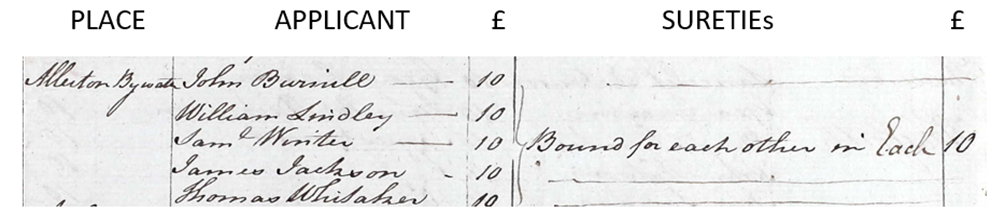
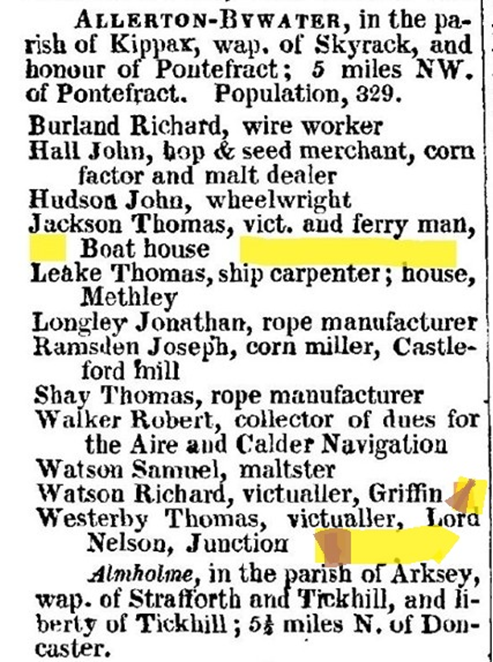
Transcript of the entry of “professions and trades”
for ALLERTON BYWATER in Baines’s Directory and Gazetteer Directory of 1822.
In May 1669, the royal assent was given to the Aire and Calder Navigation Act, and by 1703 forty miles of additional waterway had been opened up to navigation, allowing keel boats to sail upstream as far as Leeds on the river Aire. This allowed them to also sail downstream with coal into the River Ouse system and out into the Humber. — ALLERTON BYWATER PARISH MAGAZINE
1826 – The Aire and Calder Navigation Company commenced construction of the canal, which would increase water traffic.
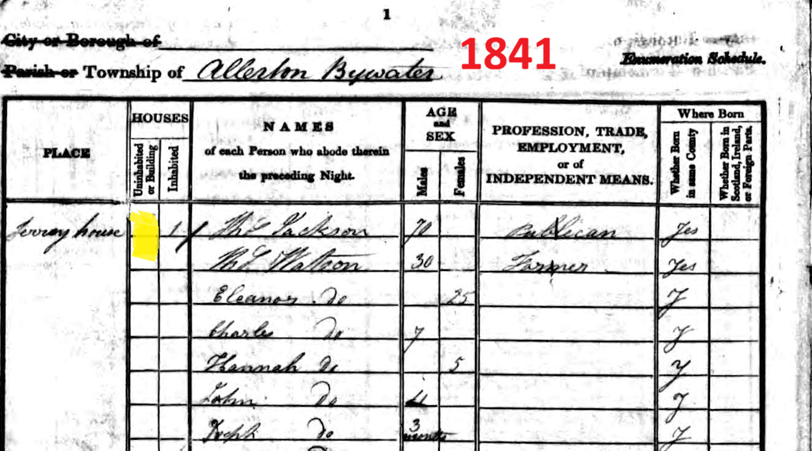
1841 Census shows Thomas Jackson to be a Publican living in the Livery House. This was probably stables to the rear of the Boat Inn. Also living here is Thomas Watson (farmer) and his family. In the 1851 Census he becomes Innkeeper and farmer. Again, this is probably the Boat Inn, as he is shown as publican there in 1871 Census
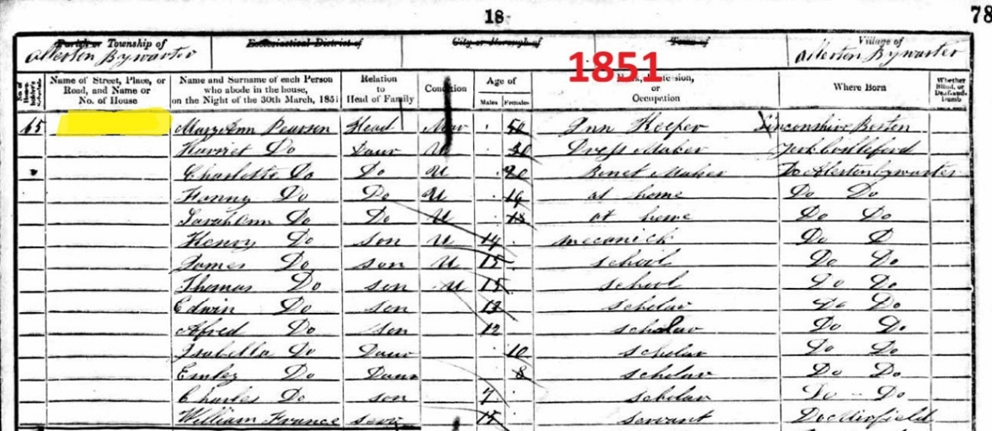
1851 Census for Allerton Bywater shows 2 Innkeepers – Thomas Watson ( Boat Inn ? ) as mentioned in the 1841 Census, but no mention of the premises and Mary Ann Pearson, with her family, again no mention of the premises. ( probability is the Navigation Inn – Lock Lane ? )
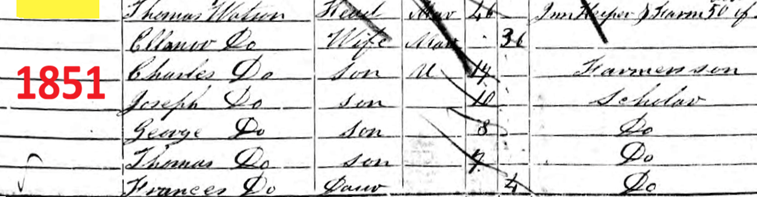
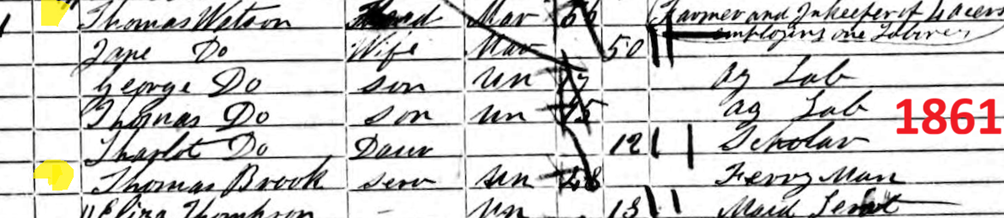
1861 Census for Allerton Thomas Watson is a Farmer and Innkeeper Thomas Brook is registered on the Census at the same abode and said to be Ferryman. ( This points to the Boat Inn )
1866 – Fraud on the Ferry: The charge for using the Ferry was 6d per week or 2½ pence in today’s money.
However, this did not deter fraudsters
Allerton Bywater Ferry
From the Leeds Mercury
Abt. 14th March 1866
TRANSCRIPT FOLLOWS THE CLIPPING
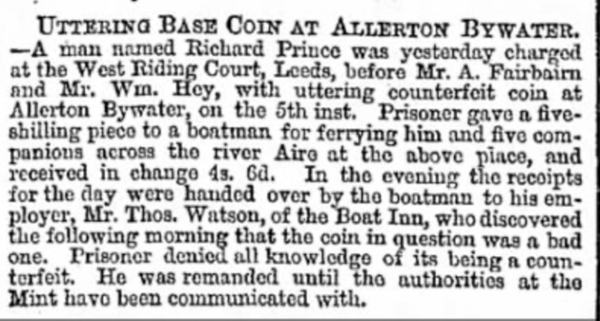
UTTERING BASE COIN AT ALLERTON BYWATER. A man named Richard Prince was yesterday charged at the West Riding Court, Leeds, before Mr. A. Fairbairn and Mr. Wm. Hey, with uttering counterfeit coin at Allerton Bywater, on the 5th inst. The prisoner gave a five- shilling piece to a boatman for ferrying him and five companions across the river Aire at the above place, and received in change 4s. 6d. In the evening, the receipts for the day were handed over by the boatman to his employer, Mr. Thos. Watson, of the Boat Inn, who discovered the following morning that the coin in question was a bad one. Prisoner denied all knowledge of it being a counterfeit. He was remanded until the authorities at the Mint have been communicated with.
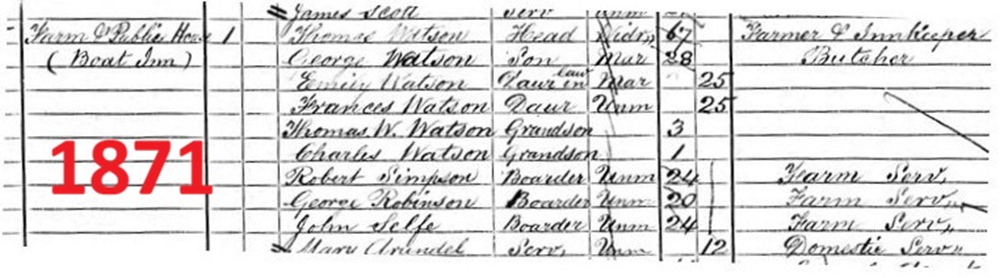
1871 Census for Allerton Bywater shows clearly that Thomas Watson is a farmer and the Innkeeper of the Boat Inn living with him is his son George and family
1881 Census-John H Atkinson and family are now resident in the Boat Inn

1891 Census Thomas L Tilney is a licensed victualler at the Boat Inn. Only he and his wife are registered.

SPORTS DAY REPORT
TRANSCRIPT FOLLOWS THE CLIPPING
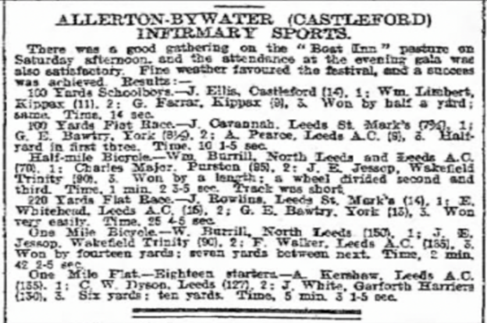
Leeds Mercury 18th June 1900 — ALLERTON-BYWATER
(CASTLEFORD)
INFIRMARY SPORTS.
There was a good gathering on the ” Boat Inn” pasture on Saturday afternoon, and the attendance at the evening gala was also satisfactory. Fine weather favoured the festival, and a success was achieved. Results:-
100 Yards Schoolboys.-J. Ellis, Castleford (14), 1; Wm. Limbert, Kippax (11). 2: G. Farrar, Kippax (9), 3. Won by half a yard; same. Time, 14 sec.
100 Yards Flat Race.-J. Cavannah. Leeds St. Mark’s (73/4), 1; G. E. Bawtry, York (81/2). 2; A. Pearce, Leeds A.C. (5), 3. Half- yard in first three. Time, 10 1-5 sec.
Half-mile Bicycle.- Wm. Burrill, North Leeds and Leeds A.C. (70), 1: Charles Major. Purston (85), 2: J. E. Jessop, Wakefield Trinity (90), 3. Won by a length; a wheel divided second and third. Time, 1 min. 2 3-5 sec. Track was short.
220 Yards Flat Race.-J. Rowlin, Leeds St. Mark’s (14), 1: E. Whitehead, Leeds A.C. (15), 2; G. E. Bawtry, York (15), 3. Won very easily. Time, 25 4-5 sec.
One Mile Bicycle.-W. Burrill, North Leeds (150), 1; J. E. Jessop, Wakefield Trinity (90), 2; F. Walker, Leeds A.C. (185), 3. Won by fourteen yards; seven yards between next. Time, 2 min. 42 2-5 sec.
One Mile Flat.-Eighteen starters.-A. Kershaw, Leeds A.C. (135), 1; C. W. Dyson, Leeds (127), 2: J. White, Garforth Harriers (130), 3. Six yards: ten yards. Time, 5 min. 3 1-5 sec.
1901 Census – Herbert Prime “Innkeeper” and his family are living at the Boat.
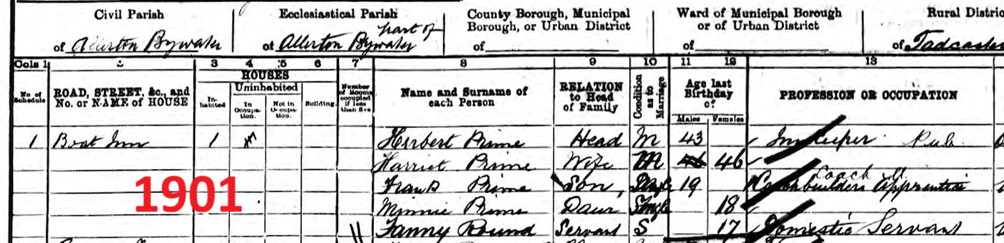
Register of Licenses:
Herbert and Harriet Prime have moved on

1911 Census shows Herbert Prime’s son Frank Prime has taken over the Licence and is now licensee at the Boat Inn and appears to own the premises.

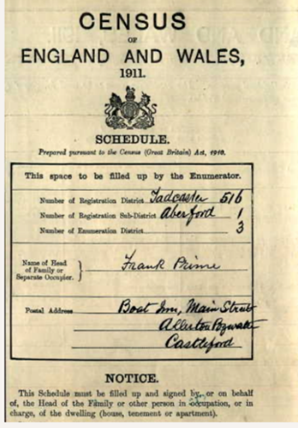

1916 – 26 August 1916 – Leeds City Brewery Co. have taken the premises. For reasons unknown, both Vera Ellen Prime, Frank’s wife, and Frank are resident here until 1926.
1921 – Census shows Frank Prime is still the Innkeeper, his wife, Vera Ellen Prime who is now assistant Innkeeper.
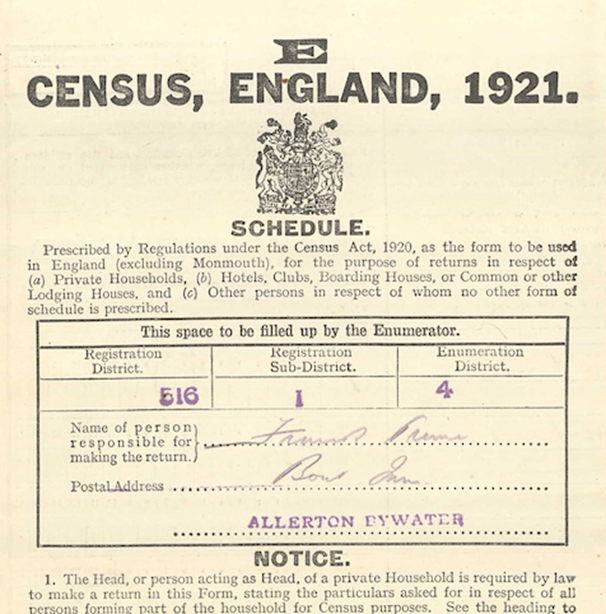
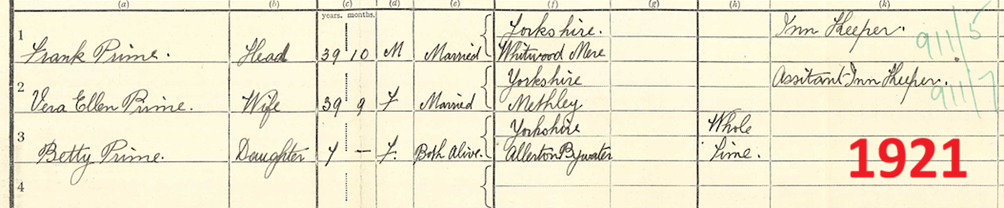
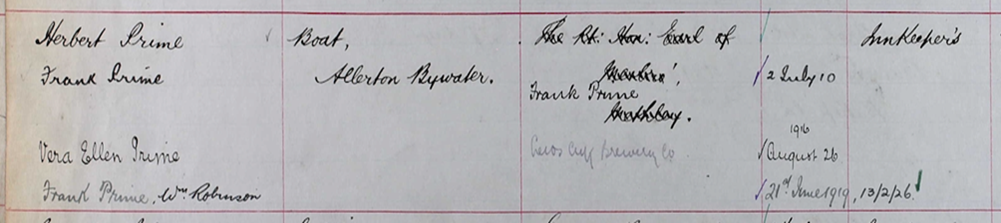
1926 – 13 February 1926 William Robinson is licensee at the Boat Inn, at this time it is owned by
Leeds City Brewery Co.
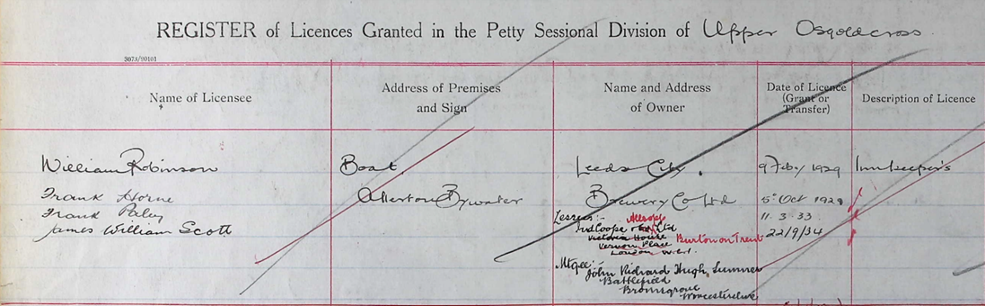
1929 – The license is transferred to Frank Horne on the 5 October 1929.
1933 – Frank Paley takes over the license on the 11 March 1933.
Boat is NOW owned by Ind Coope and Allsopp Limited Burton on Trent.
1930s news cutting
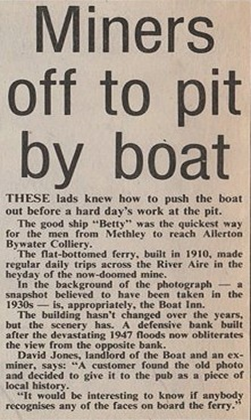
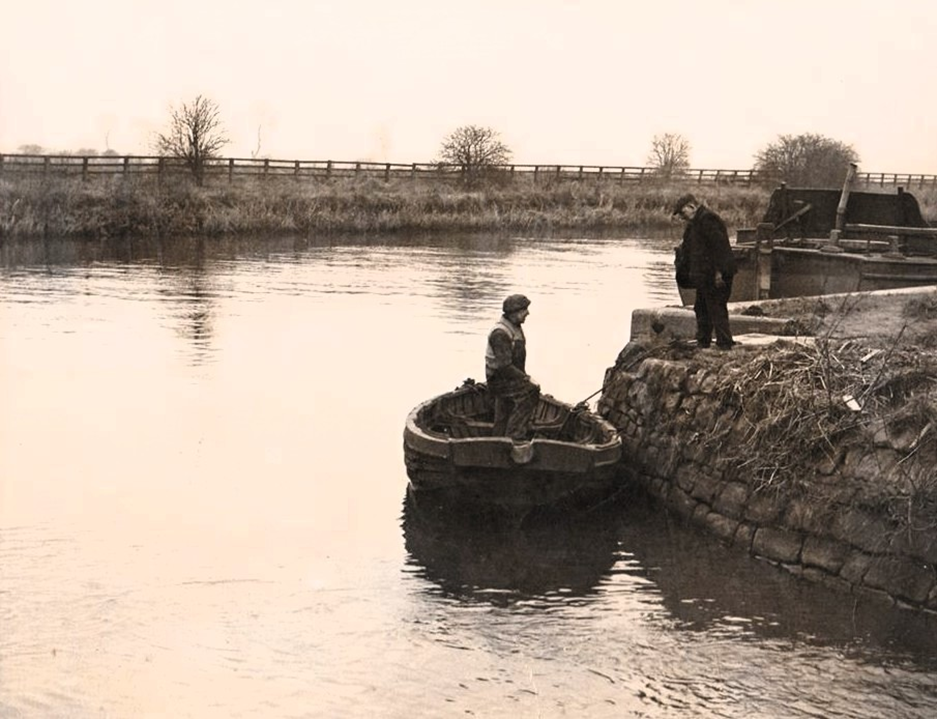
| Miners off to pit by boat THESE lads knew how to push the boat out before a hard day’s work at the pit. The good ship “Betty” was the quickest way for the men from Methley to reach Allerton Bywater Colliery. The flat-bottomed ferry, built in 1910, made regular daily trips across the River Aire in the heyday of the now-doomed mine. In the background of the photograph – a snapshot believed to have been taken in the 1930s – |
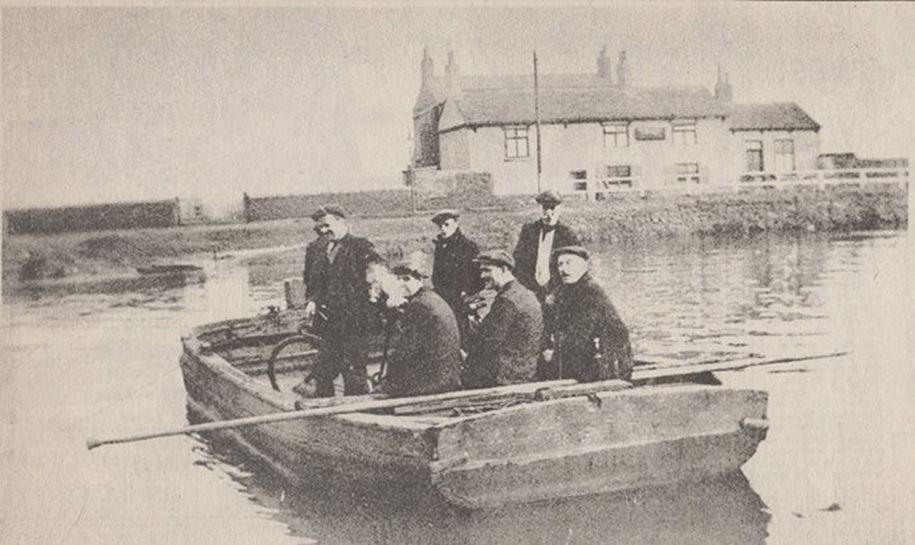
On the Allerton bank the Boat Inn can be clearly seen, and moored at the bank-side, the small passenger boat like the one below.
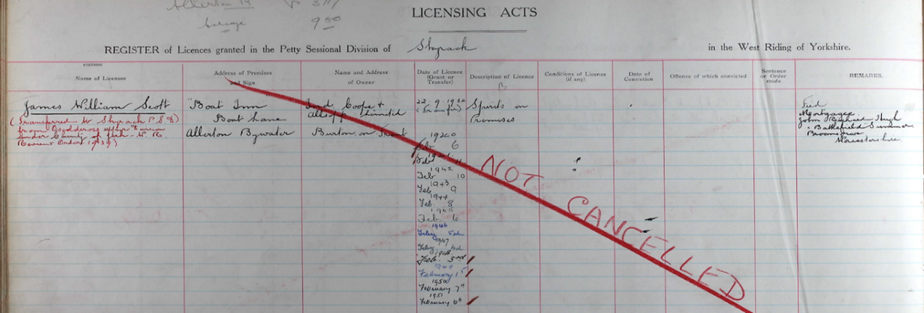
1934 – 22 September 1934 – James William Scott was granted a License for the Boat Inn and here he remained until 1951
1939 – James William Scott and family resident at the Boat Inn 1939

1939 – England Register

1940 – The photo below taken around 1940, shows one Ferry Boat used for carrying passengers across the river. It is being sculled using one oar by the ferryman; this, for many years was the occupation of Mr. Henry Laurenson. (William Henry Lawrenson ?)
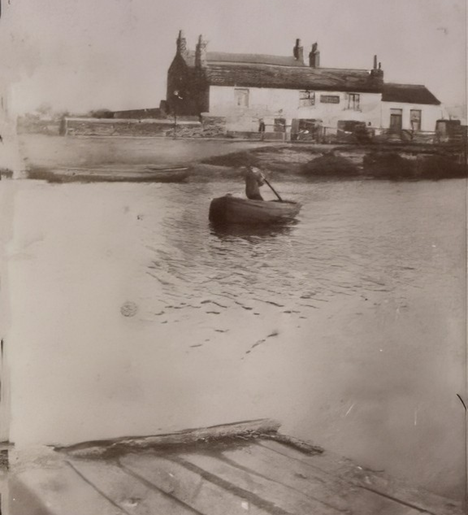
In the foreground is the landing stage at the Methley side of the river. On the opposite side, Allerton Bywater and the Ferry Boat Inn, used and patronised by bargemen. Moored at the Allerton side is a large, flat-bottomed chain-pulled barge, which was used to carry the horses across the river. Stables to the rear of the Boat Inn were used for the Barge horses, whilst the ` Bargees – Watermen – Boatmen` as they were known, would rest on their vessels. A reference in the 1841 Census: Thomas Jackson, known to be a Publican of the Boat Inn, is living at the Livery House; this is possibly stabling for the horses.
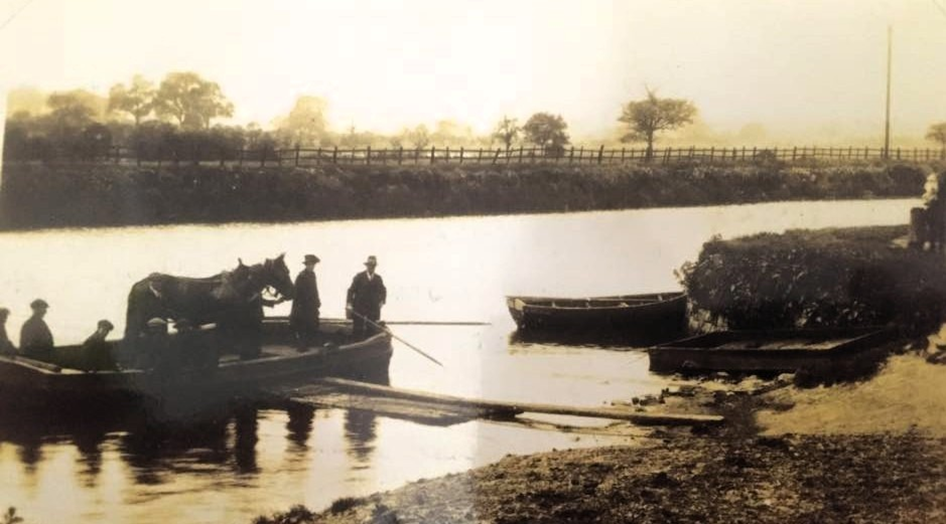
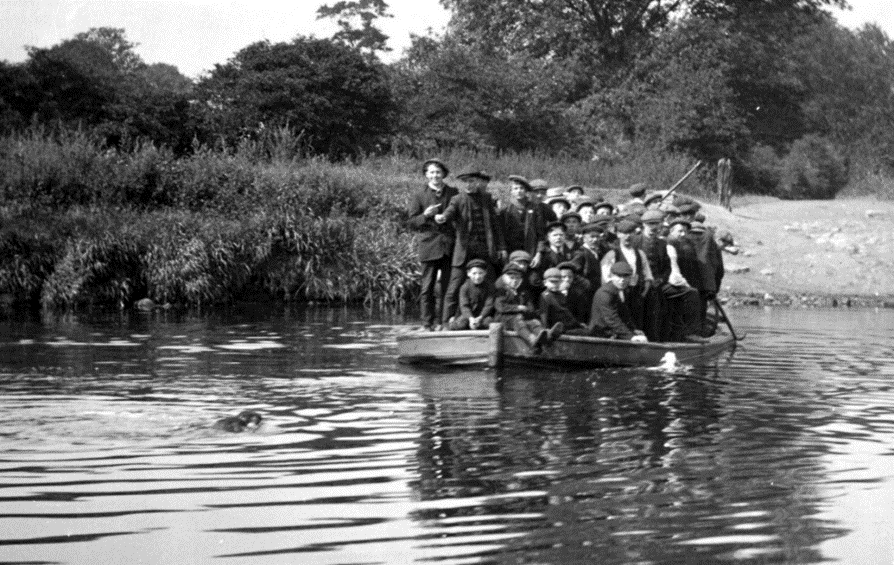
For the Methley Miner who worked at Allerton Bywater Colliery the Ferry transport to work was vital, as a round journey through Castleford with limited public transport, would have been time-consuming and costly. Far easier to cycle or walk to work via the Ferry, the charge for using the Ferry was 6d per week or 2½ pence in today’s money.
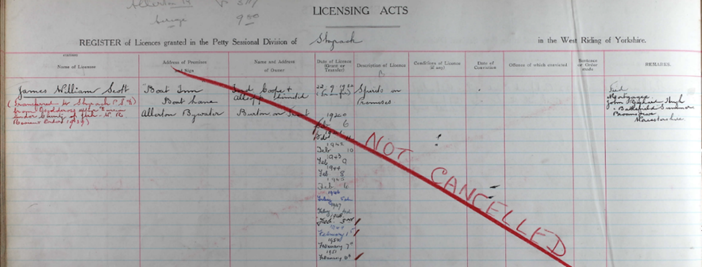
1951 – James William Scott has been Licensee of the Boat inn from 1934 – 1952
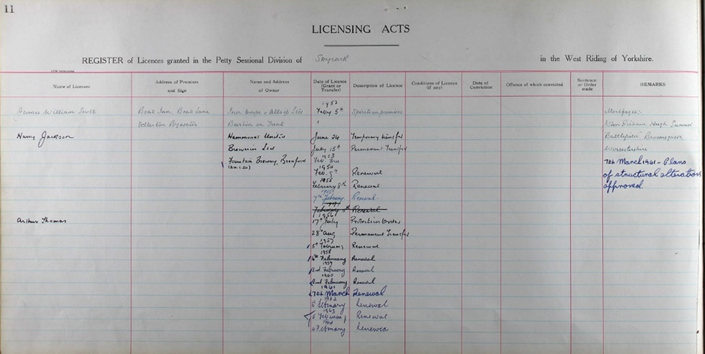
1952 – 24 June 1952 the ownership changes again to Hammonds United Breweries Limited, Fountain Brewery, Bradford.
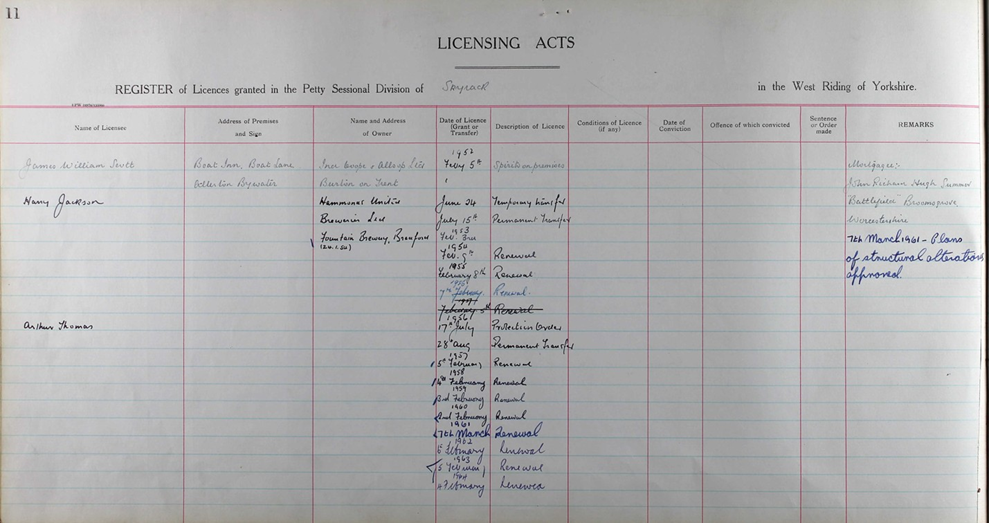
And Harry Jackson takes over as Innkeeper with a permanent transfer of the license on the 15 July 1952.
1953 – As public road transport improved, the ferry became less and less used Hammond’s United Breweries, the owners, considered the Ferry had become unviable and closed the Ferry,
The Methley Miners approached their union
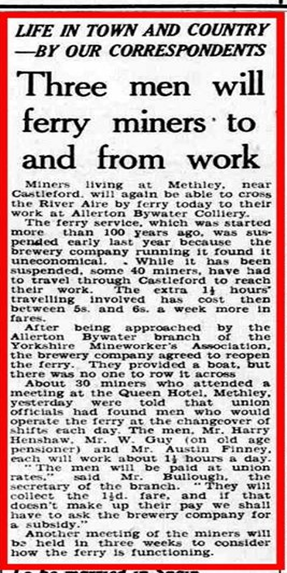
19 October 1953 – Three men will ferry miners to and from work
Miners living at Methley, near Castleford, will again be able to cross the River Aire by ferry today to their work at Allerton Bywater Colliery. The ferry service, which was started more than 100 years ago, was suspended only last year because the brewery company running it found it uneconomical. While it has been suspended, some 40 miners, have had to travel through Castleford to reach their work. The extra 1 hour’s travelling involved has cost them between 8s. and 6s. a week more in fares. After being approached by the Allerton Bywater branch of the Yorkshire Mineworker’s Association, the brewery company agreed to reopen the ferry. They provided a boat, but there is no one to run it. About 30 miners who attended a meeting at the Queen Hotel, Methley, yesterday were told that union officials had found men who would operate the ferry at the changeover of shifts each day. The men, Mr. Harry Henshaw , W. Guy, ( on old age pension ) and Mr. Austin Finney, each will work about 11/2 hours a day. “The men will be paid at union rates,” said Mr. Bullough, the secretary of the branch. They will collect the 11/2 d. fare, and if they dosn’t make up their pay we shall have to ask the brewery company for a subsidy.” Another meeting of the miners will be held in three weeks to consider how the ferry is functioning.
20 October 1953

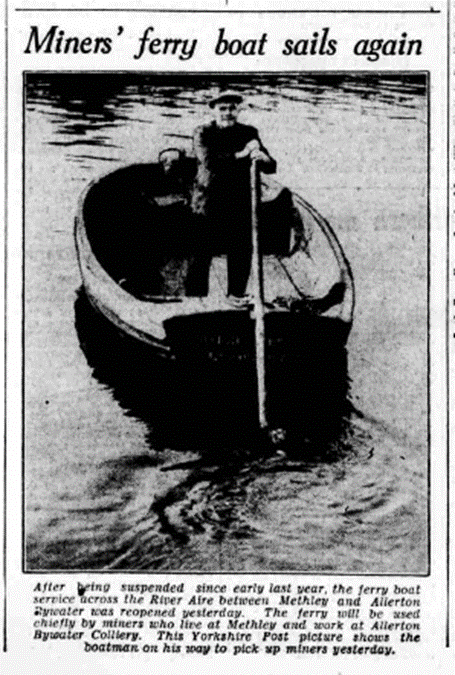
After being suspended since early last year, the ferry boat service across the River Aire between Methley and Allerton Bywater was reopened yesterday. The ferry will be used chiefly by miners who live at Methley and work at Allerton Bywater Colliery. This Yorkshire Post picture shows the boatman on his way to pick up miners yesterday.
Below gives an idea how popular this crossing was.
1956 – 28 August 1956 – Arthur Thomas becomes the Innkeeper of the Boat.
1959 – Finally, Hammond’s United Breweries who owned the ferry as well as Boat Inn, gave notice of plans to cease operating the ferry in July 1959.
1960 – Leeds nostalgia: Old ‘steel record’ player found in pub
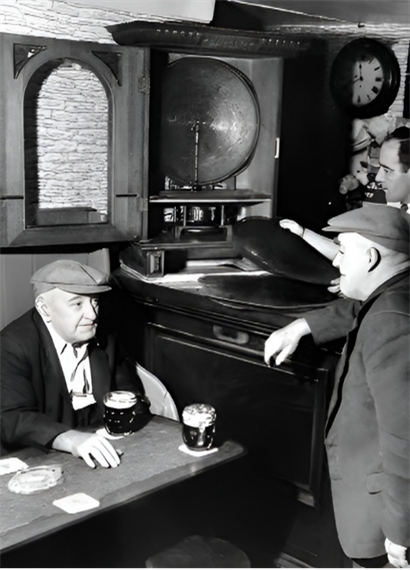
Allerton Bywater. 9 October 1960 – If you go down Allerton Bywater’s Main Street and turn into Boat Street, you’ll come to a dead end by the River Aire – a picturesque backwater where stands the 17-century Boat Inn, one-time calling place for Methley miners taking ferryboat trips to and from Allerton Bywater Colliery. Pop into the bar there and you may find 79-year-old Billy Guy and 80-year-old Walt Hepworth, both ex-miners with over 60 years’ pit service, supping their pints of old and listening to old tunes played from 20in. steel records on a machine built in Saxony about the time they were born. This forerunner of the modern juke box is a Polyphone – a clockwork-powered form of musical box, housed in an ornate, penny-in-the-slot cabinet, which plucks dulcet music from a repertoire of about 20 steel discs. Found by the licensee, 33-year-old Mr. Arthur Thomas, stored away in a spare room when he and his wife Irene, also 33, took over the pub four years ago, the machine has been cleaned and “rejuvenated”
1961 – 7 March 1961 plans for structural alterations were approved.
Darts team and regulars at the time — Photo`s supplied by Hazel Milner
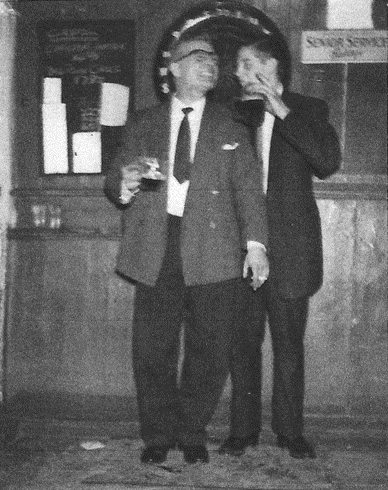
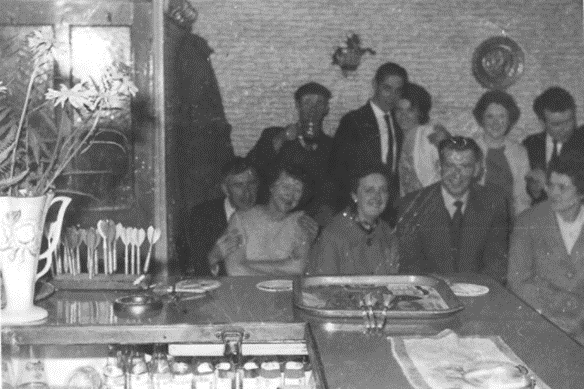
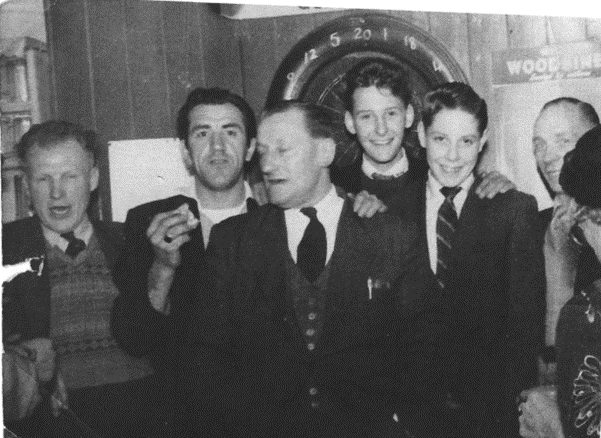
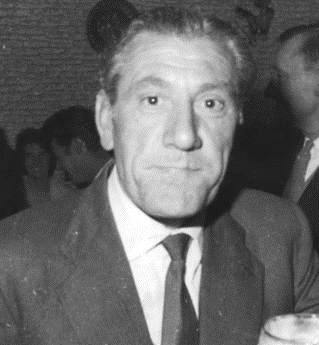
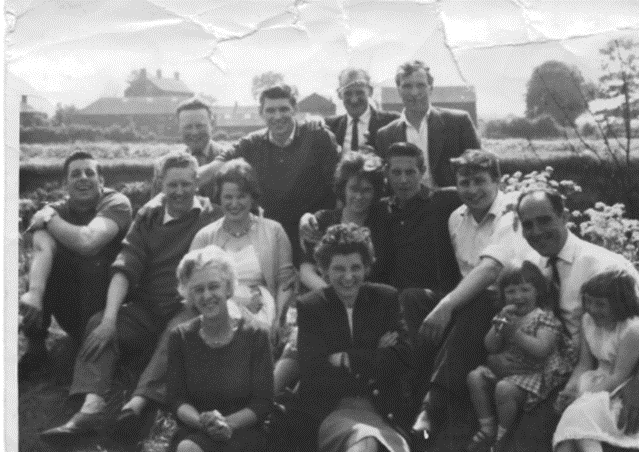
1964 – 4 February 1964. Arthur Thomas gets one of the final licences, granted in the Petty Sessional Division of Skyrack.
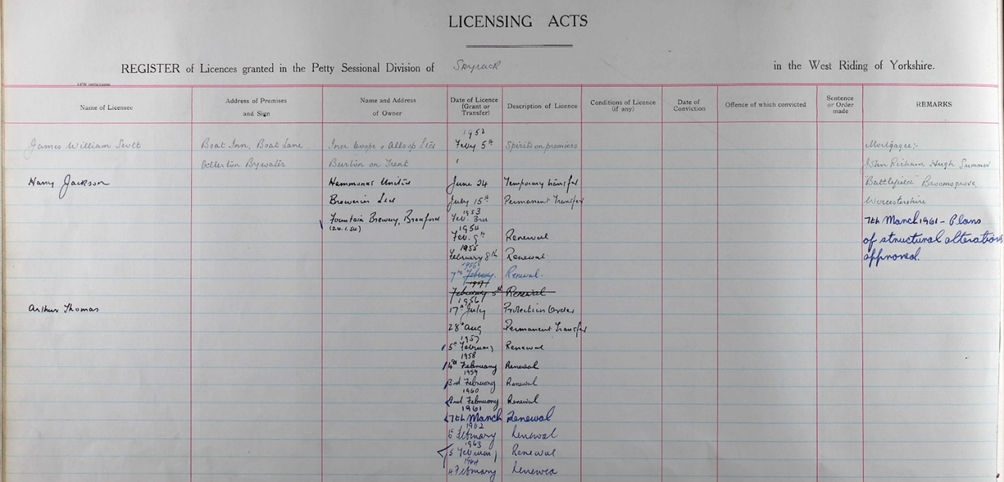
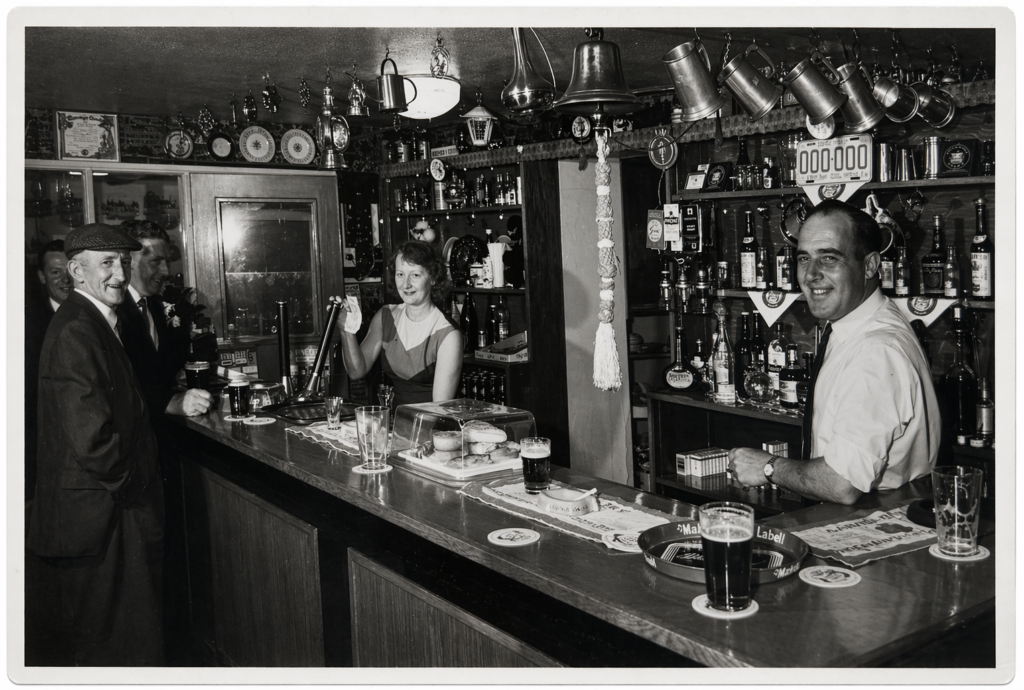
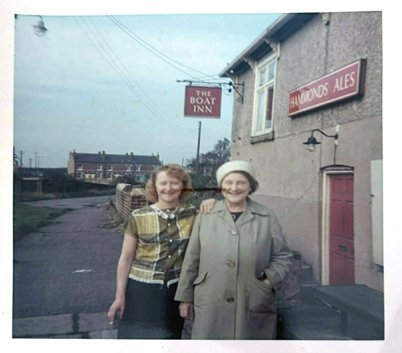
From this period, information is vague as to who actually owns the premises and who is licensee.
The following may not be totally accurate as it was gathered from local knowledge and recollection
******************************
( please contact if you have any proven information the following web site )
Allerton Bowers History
*******************************
1976 – 1980 Jack and Joan Sutcliffe
Cliff Winstanley – Jack and Joan Sutcliffe in 70s – a guy called Dave and his wife I think she was called Jean not sure of surname might have been Jones. —
In the 80s Brian and Ann Lockwood in 90s
1982 – 1991 Dave and Jean? Jones
Below Scarborough trip organised by the 100 club – date ??
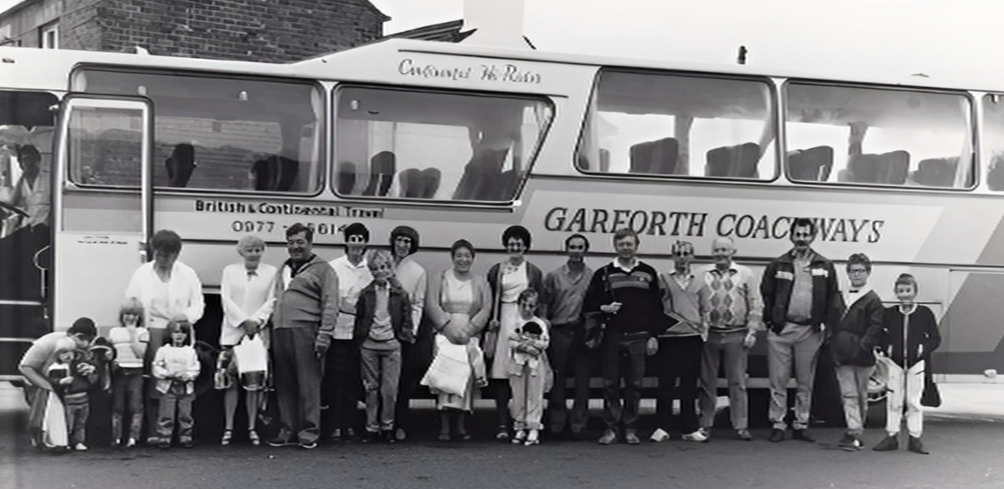
Children and parents prepare to leave the Boat Inn, Allerton Bywater, for a day trip to Scarborough. The outing was financed by the pub’s “100” club, which was set up four months ago to provide treats for local youngsters. The children were given pop and sweets and shown a film on the journey before enjoying themselves on the beach.
Kathleen Schofield — the Photo of trip outside boat would be early 80s properly 1983, Landlord then was Jean an Dave Jones Marks mam an dad hope that helps
Pub blaze
Pub blaze FIREFIGHTERS were called to a blaze at the last week.
Published: Thursday 04 March 1993
In early March 1993, a major fire severely damaged The Boat Inn Main Street, Allerton Bywater, a historic pub situated alongside the River Aire. The blaze broke out in the early hours of the morning, requiring a significant response from the West Yorkshire Fire and Rescue Service to prevent the building from being completely destroyed.
LIST OF PUBLICANS BETWEEN – DATES UNKNOWN (SUPPLIED BY Glyn Thomas)
Phil and Elaine Trowel // Ray Kelly // Peter Sissons // Kevin Beardmore
1997 – Rugby stars relaunching the Boat RUGBY league icon Brian Lockwood is making himself a legend in his own lunchtime. Brian aims to re-float the fortunes of the famous Boat Inn at Allerton Bywater .
Published: Thursday 12 June 1997
Newspaper: Pontefract & Castleford Express
1997 – Brian Lockwood, takes over the Boat Inn to find he is not the only resident as the next article explains :-
The Ghost at the Boat Inn is always up to mischief
Flying Loafs of bread, Taps tuning on in the middle of the night & even frightening our bank manager.
When we took over the pub in 1997 & we had plans to refurbish the Bars and Restaurant. One of the Ex landlords came in to have a nosey and was talking to Brian about what we were doing, the old landlord asked about where we are moving the bar Brian replied “were going to put it along the back wall in the old tap room”, the Ex landlord said “he’ll drink you dry”, “who” asked Brian, “The Ghost”.
Brian told him he didn’t believe in them, and then the ex-landlord said: “He’ll be coming. He comes through the wall there”. He pointed at a wall at the end of the pub; behind lay the pool room.
Brian thought nothing of it until his son Kieron started knocking through the area of the wall in question to create a new entrance to the old pool room.
Behind the plaster he found an old door. The old wall next to the door had pieces of old hand-painted wallpaper, a type not used for 60 years or more.
We concluded that if there was a ghost, then it was using the old doorway that had been boarded up for years.
Weeks later, our Head Chef, John, overheard Brian talking about the ghost story to a customer.
He then told how he had watched the door of the fridge open and a loaf of bread flew out, hit him on the side of his face & the fridge door closed. He has seen the ghost more recently as he saw someone in the kitchen & thought it was the oil man picking up the waste oil, he said, “It’s in the shed” There was no reply. The mysterious figure started to walk through the dishwasher as if walking up steps and disappeared into the wall.
When we had the pub refurbished, we blocked a doorway leading to the kitchen so we could have a bigger washing up area, and it was behind the new dishwasher.
And in case of unbelievers, put John’s contact with Spirits down to indulgence in spirits of a different kind, our bank manager, no less, had an encounter in the summer of 99 on their staff barbecue. He was at the bar when someone walked behind him. He turned, but there was no one there. He asked Andrea, our Barmaid who had been facing the bank manager, but she had seen no one.
1999 – Lockwood, family run the Boat Inn at Allerton Bywater
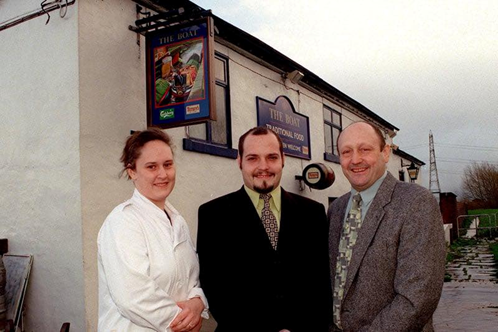
The Boat Inn – Staff at The Boat pictured in December 1999.
From left are chefs Taryn Lockwood and Kieron Lockwood and licensee Brian Lockwood.
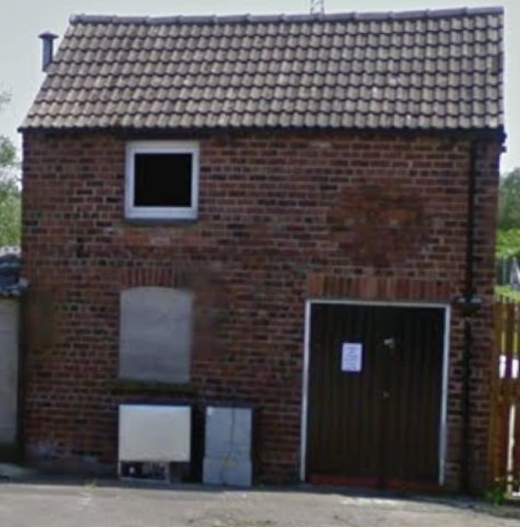
Abt. 2002 – Ron Ridout set up the Boat Brewery, to the rear of the Boat Inn, Main Street, Allerton Bywater
Pint-size brewers squaring up to the big boys the Boat Inn at Allerton Bywater
The licensee was Brian Lockwood at this time.
Published: Saturday 24 June 2000
Newspaper: Yorkshire Evening Post
Ron Ridout — Boat Brewery
Boat Brewery – the origins
The project came about as a result of several circumstances coming together, as though someone was pointing the way.
It went like this: –
Once upon a time in the dark and misty past, well, about ten years ago really, Brian Lockwood (ex-Great Britain rugby league touring captain, six times challenge cup winners medal, best player in the world etc) the current owner of the Boat Inn, had been trying to persuade me to build a brewery to the rear of his then pub (he has had several over the years).
As I reckoned he would probably move from pub to pub, I thought it a bit less than a good idea, until, that is, he arrived at the ‘Boat’, where he actually looked to be putting down permanent roots.
At this point early retirement from my previous employ loomed so with nothing else taking my fancy (and with the promise of various grants from local council sources!) we decided to give the brewery a go.
So refurbishing the stable at the back of the pub and purchasing a full brewing kit from various places the plant was set up, though not without mishap!
Fermenting vessels jumping off the lorry on the way to the brewery didn’t help, nor did my skydiving attempt through the malt trap to the concrete below, plus various other problems.
As I have since realised, these are all just everyday occurrences in the life of a microbrewer.
The first pint (‘Blue Peter’ appropriately enough named) appeared mid-July 1999 and I haven’t had to look too far back since.
Trade at the moment is done entirely over the place, but watch out in future as the brew length extends and I start seeking more customers near and far.
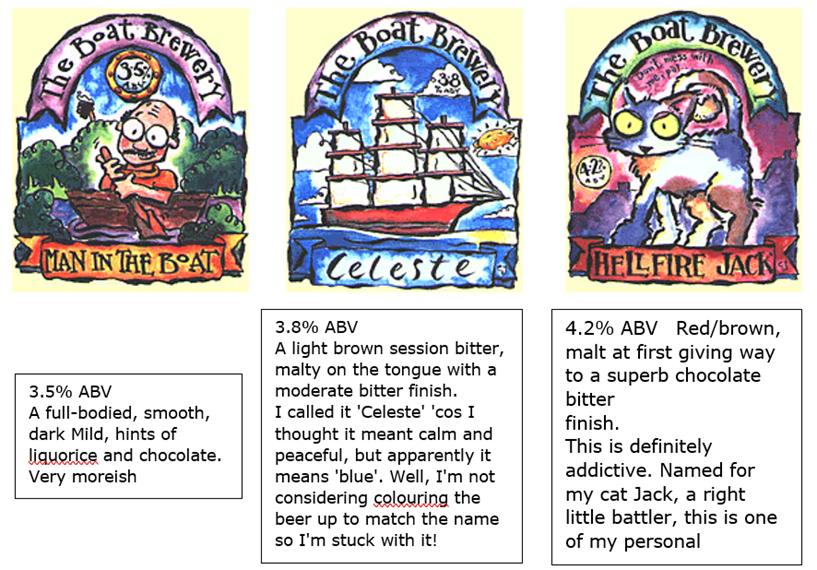
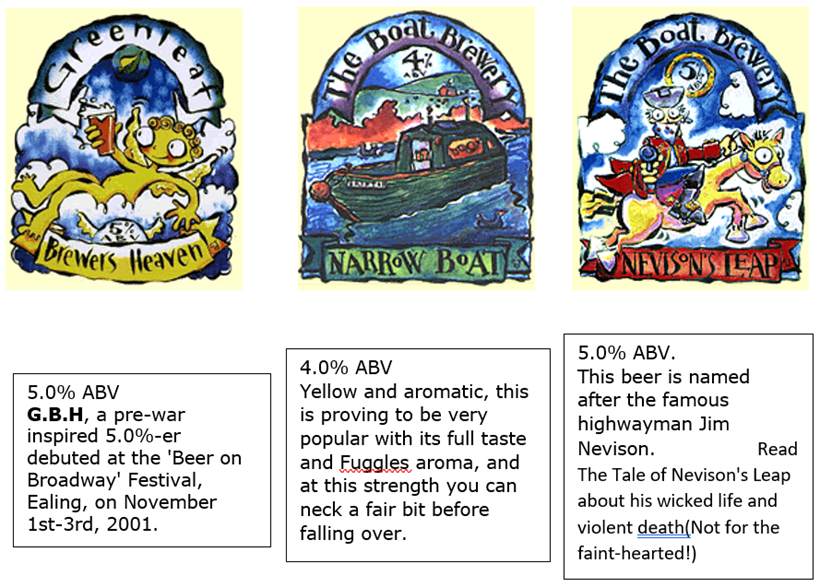
SAMPLE OF BEERS BREWED AT THE BOAT BREWERY
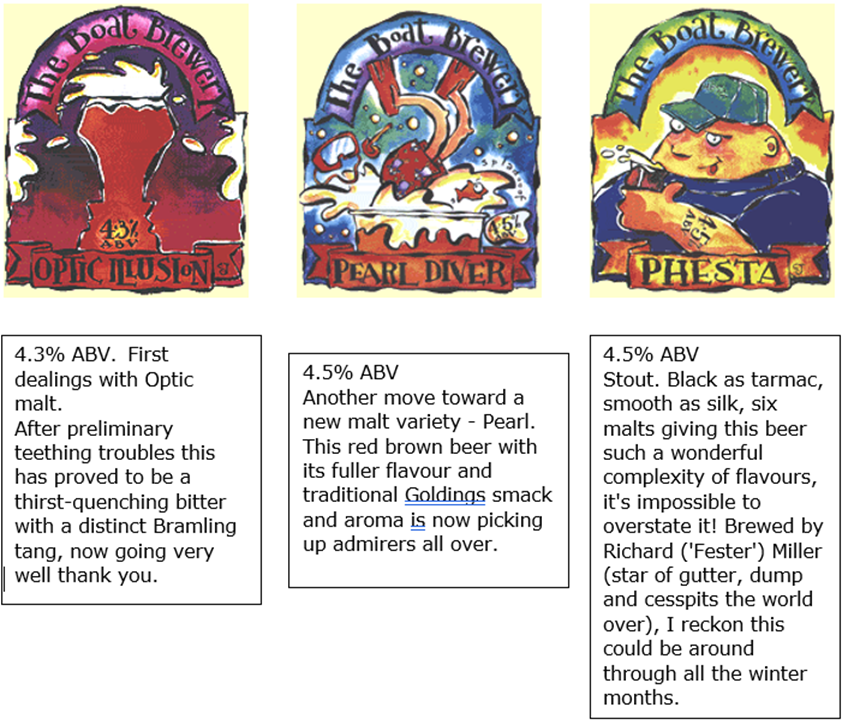
2010 – Richard & Julie Wilson
Fully refurbished November 2013
Extract taken from beer in the evening.com
New owners have taken over this pub and they are trying very hard to build up custom. The food is good and reasonably priced. Plenty of beer choices and prices also normal. They had a singer on as entertainment. I think they’re still trying to find their feet as service was a bit slow but then it was full of people on Saturday night
2018 – 2019 Briggs, Jeremy ?? no confirmation
Due to Data protection and other legal restrictions
NO FURTHER INFORMATION or CONFIRMATION is supplied
2020 COVID
February 2026
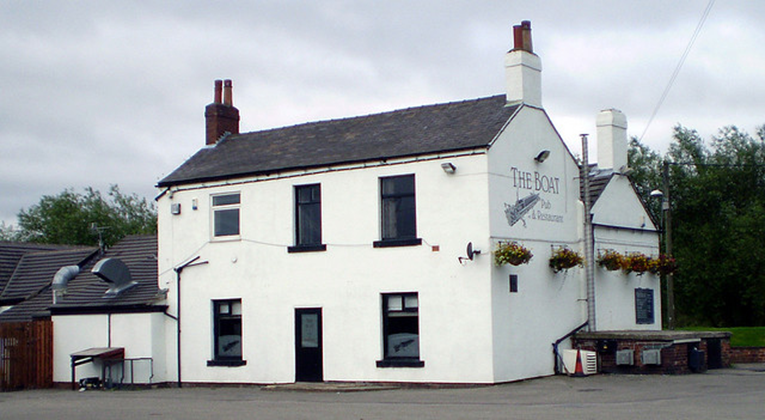
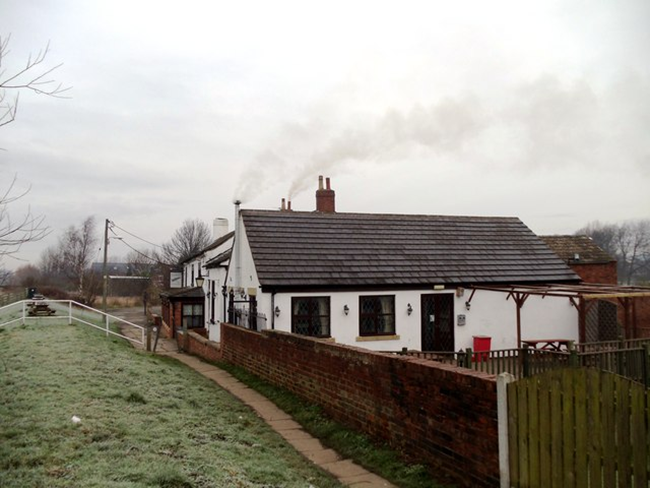
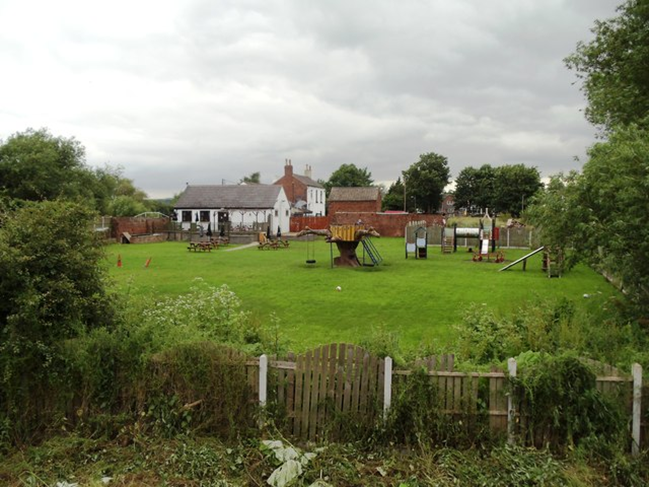
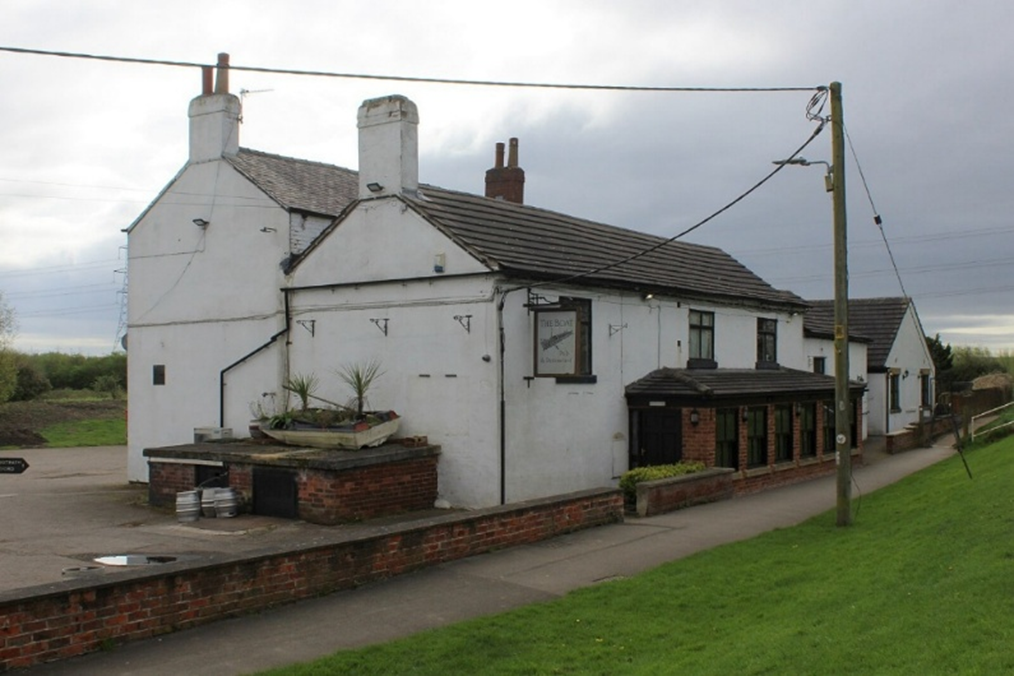
The Boat inn is for lease a two storey rendered brick detached property under a pitched concrete and tile roof. It has a single storey section of similar construction to the side and a brick and concrete tile section to the front. To the rear there is a two storey brick outbuilding with small service yard. To the left is a car park for 25-30 cars and to the right hand side there is a substantial beer garden with play equipment.
The Boat Inn’s management history reflects broader patterns in the English pub trade, including the importance of family succession, the impact of regulatory change, and the challenges of economic and social transformation. The persistence of gaps and uncertainties underscores the need for continued research and the value of local knowledge in reconstructing the past.
Key takeaways include:
The Boat Inn, Allerton Bywater, stands as more than just a building or a business; it is a living repository of local history, social change, and community identity. The individuals who have managed or run the pub over the past years have left their mark not only on the premises but on the fabric of village life. As the pub enters a new chapter in 2026, its story continues, shaped by the past, responsive to the present, and open to the possibilities of the future.
Note: This report is an open documentary based on the most current and comprehensive sources available as of March 2026. Further research, particularly in local archives and through community engagement, may yield additional information and insights.
Readers and researchers are encouraged to contribute `proven` new findings to the ongoing documentation of the Boat Inn’s history.
******************************
( please contact if you have any proven information the following web site )
Allerton Bowers History
*******************************
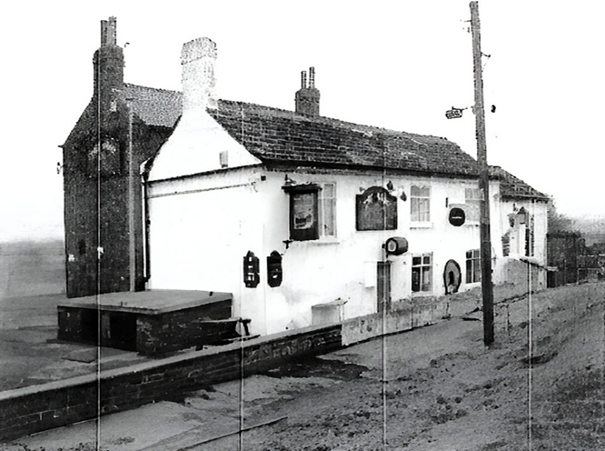
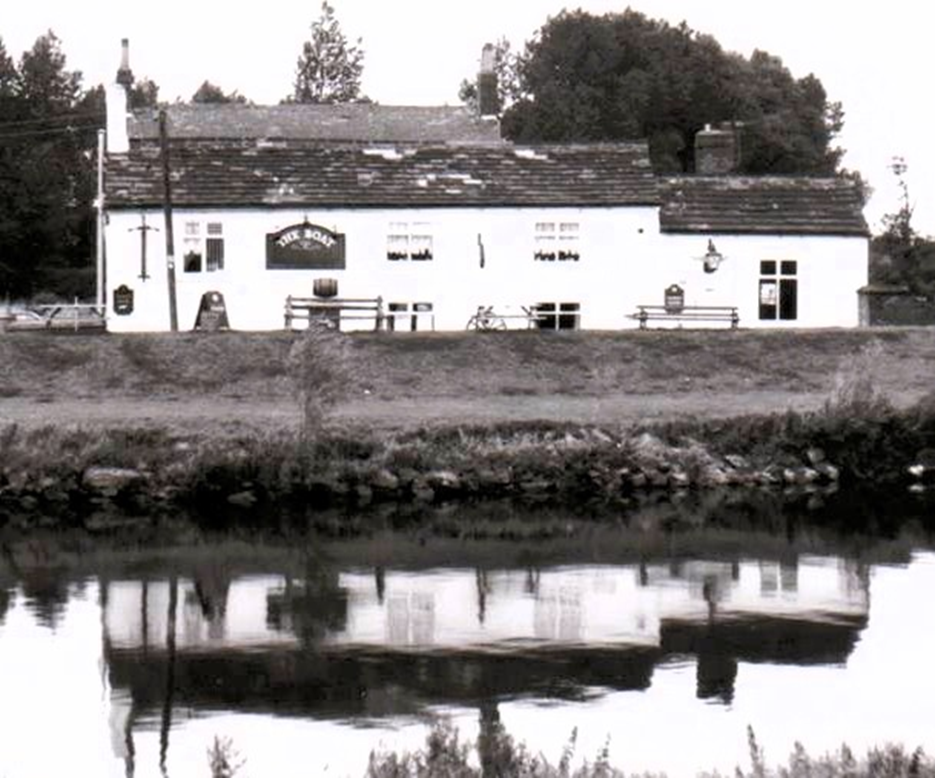
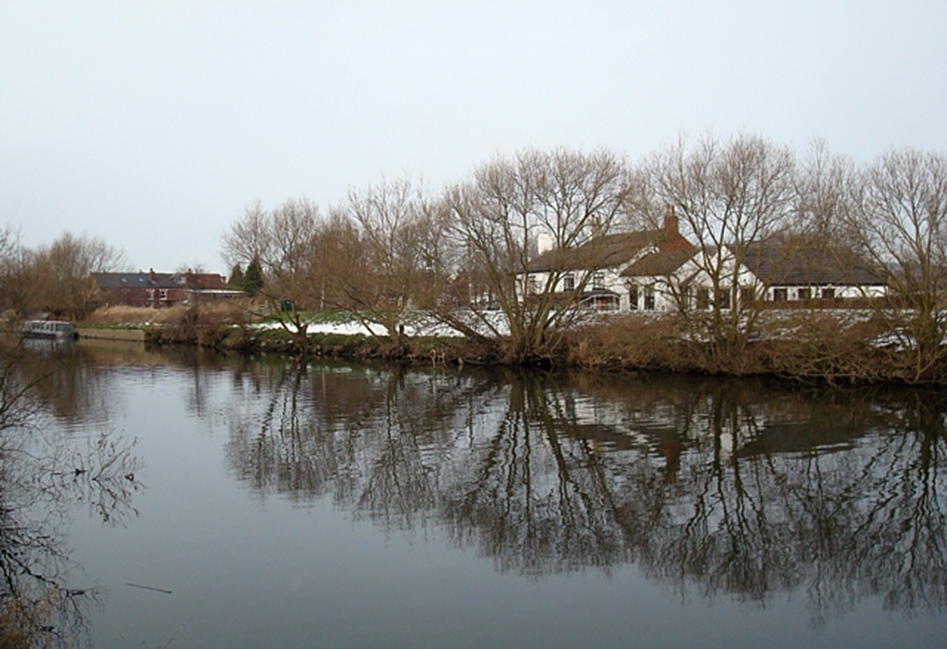
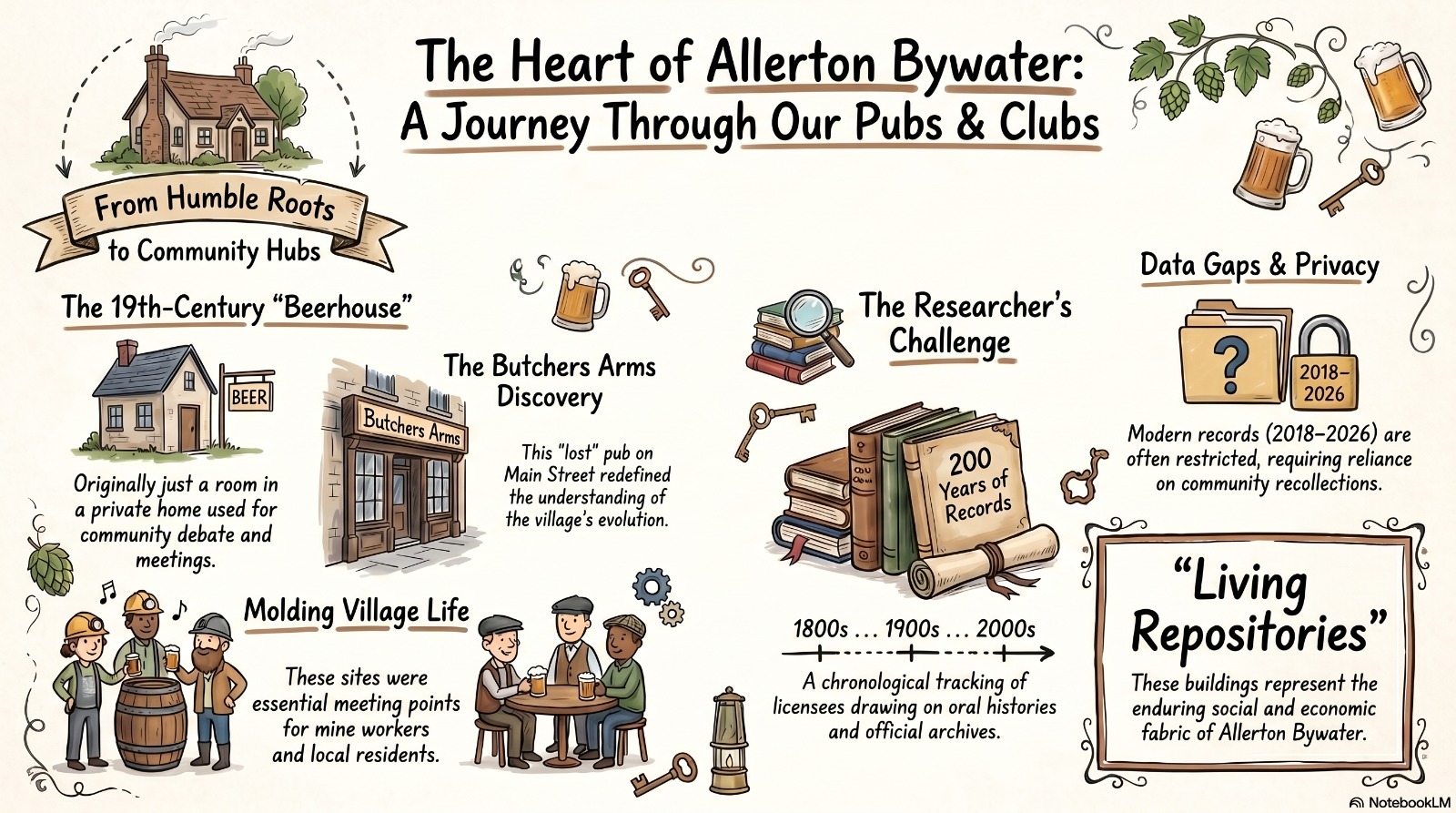
A Chronological History of Licensees and Management
Allerton Bowers History – Rediscovering our past for future generations
The English public house in Allerton Bywater
it`s people and it`s enduring social and economic role.
Introduction
These Pubs and Clubs have served as hubs of the community and witnessed the changing fortunes of the village and its people.
The articles present a comprehensive, chronological account of the individuals who have managed or run these premises over nearly two centuries, drawing on a wide array of sources and oral histories. This analysis attempts to lists the known licensees but also provides historical context, highlights notable events and examines gaps and uncertainties in the historical records and offers it`s readers the opportunity to participate by adding their own supported knowledge via the WEBSITE.
Limitations and Gaps
Despite the breadth of sources, several challenges persist:
THE CURIOUS JOURNEY BEGAN WITH THE DISCOVERY OF THE BUTCHERS ARMS LOCATED ON MAIN STREET
This project began looking at “ LOST “ PUBS AND CLUBS OF ALLERTON BYWATER
However, during research, the discovery of the so-called “ BEERHOUSEs “ , several of which were scattered around the village, in particular the Butchers Arms on Main Street, Allerton Bywater, changed its perspective. These beerhouses, “ a room in someone’s home “, were meeting points where issues of the day were discussed and debated by the locals and mine workers. They defined the history of the village, how it evolved and how it was moulded around them. It is important, therefore, to look at how they all integrated and grew within the village history, as it was from these roots that the establishments of the various PUBS and CLUBS known today emerged.
Reflections
The Pubs and Clubs of Allerton Bywater stand as more than just buildings or businesses; they are living repositories of local history, social change and community identity. The individuals who have managed or run these premises over the past years have left their mark , not only on the premises but on the fabric of village life. As these Pubs and Clubs enter a new chapter in 2026, their story continues – shaped by the past, responsive to the present and open to the events of the future.
PLEASE ENJOY THE PROJECT ARTICLES
THIS IS A PROGRESSIVE SITE – FURTHER ARTICLES WILL BE ADDED AS AND WHEN THEY ARE RESEARCHED OR BECOME AVAILABLE OR FROM YOUR SUPPORTED INPUT.
2026 – Acknowledgements: John & Keith Dickinson, Steve Mirfin, all who have already contributed and all who will contribute in the future.
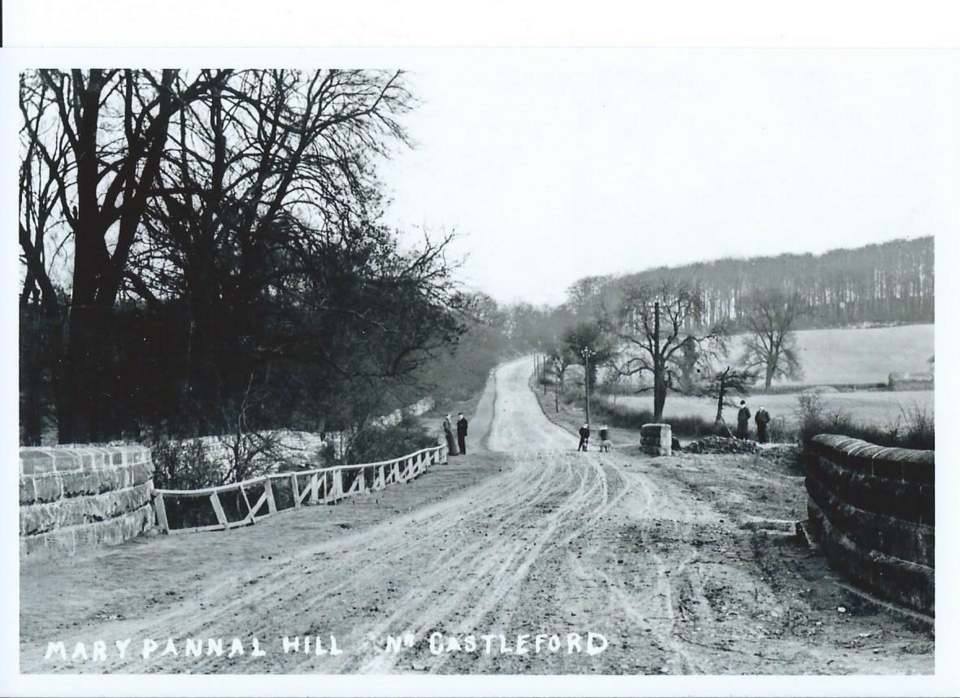
This page is a placeholder for information, about the village, found during our research. It will be updated, ammended or corrected whenever new information is discovered.
Roman Period:
Medieval Period:
17th Century:
18th Century:
19th Century:
20th Century:
21st Century:
Cast of Characters
This timeline and cast of characters represent the key events and individuals highlighted in the provided sources, offering a comprehensive overview of Allerton Bywater’s history and its people.
Briefing Document: Allerton Bywater – History and Industry
This briefing document synthesises information from three sources: “On the street where you live,” “The last colliery in Leeds,” and “Yorkshire Collieries – Allerton Bywater Colliery – Eddie Downes.txt” to provide an overview of the history, key themes, and important facts related to the village of Allerton Bywater, with a particular focus on its coal mining and community development.
Main Themes:
Most Important Ideas and Facts:
Early History and Roman Influence:
Development of the Aire & Calder Navigation:
Coal Mining in Allerton Bywater:
Allerton Bywater Pottery:
Local Businesses and Community:
St Mary the Less Church:
Education:
Home Guard during World War II:
Scouting:
Personal Accounts:
Knur and Spell:
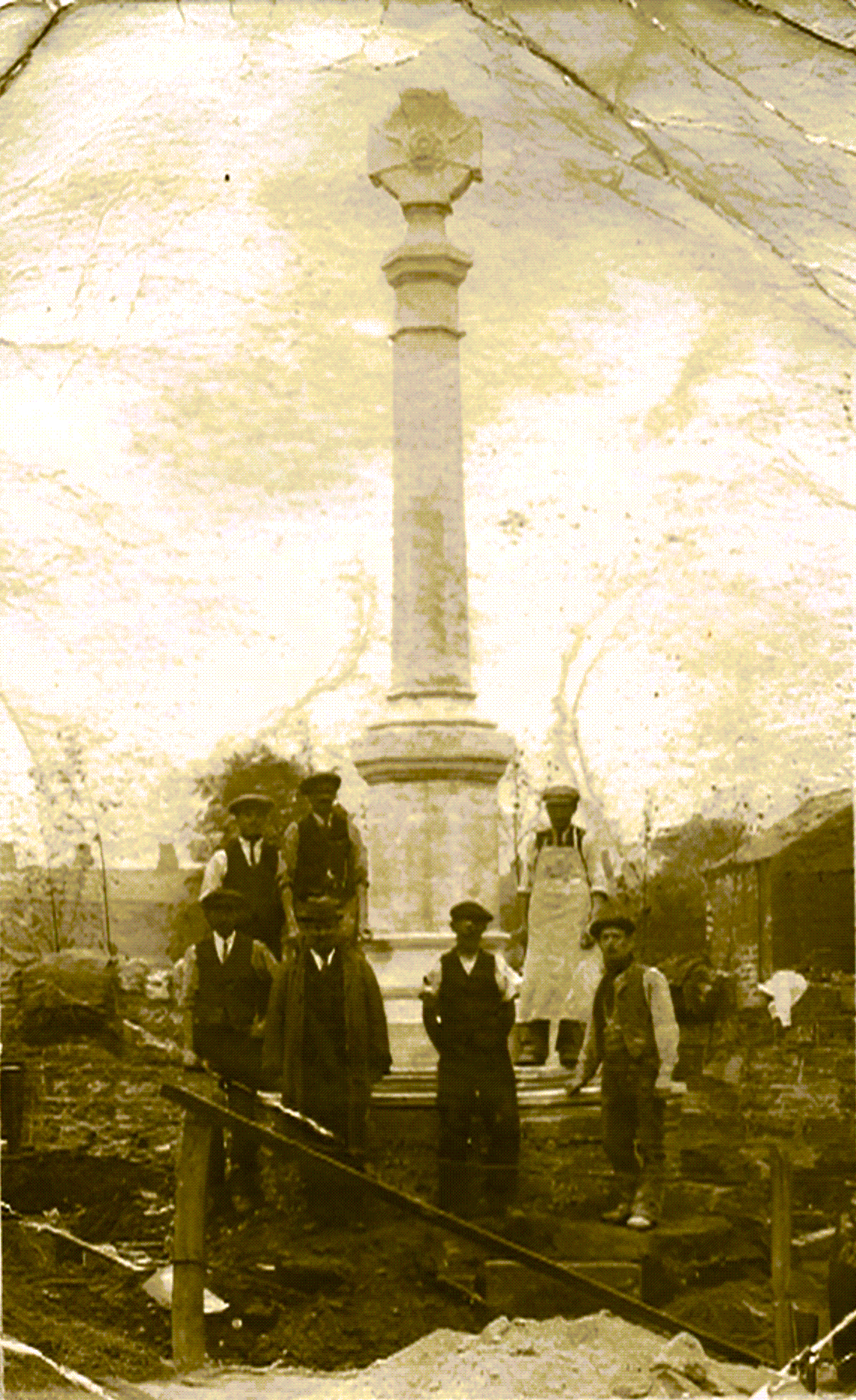
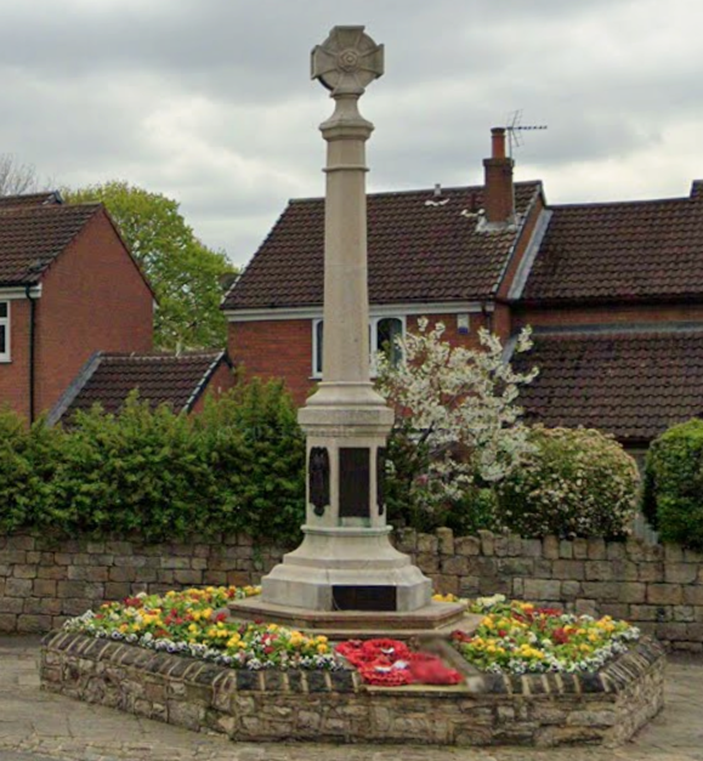
Junction of Station Road and Main Street
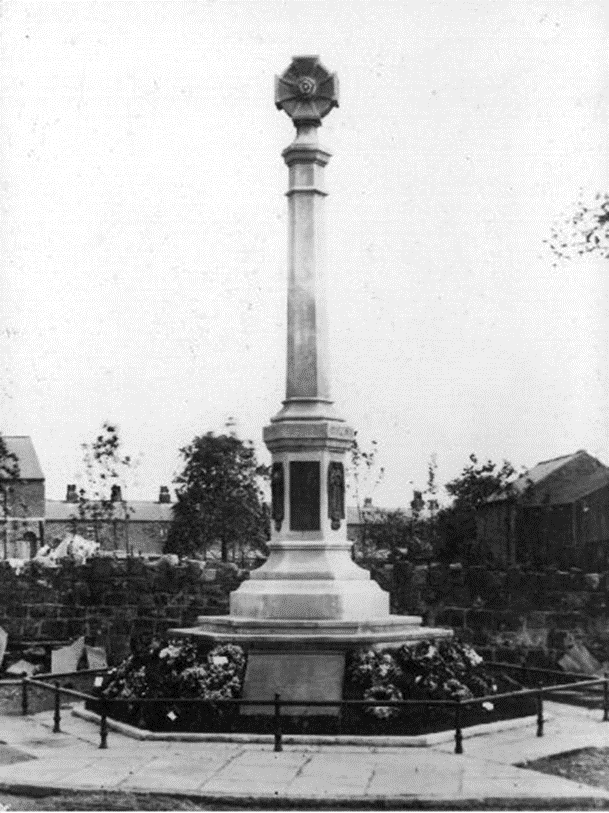
The monument was Erected in 1920 in memory of the men who fell in the 1914-18 war.
It is a Hexagonal column of Portland Stone is 22 feet high crowned with a Maltese Cross, and is set upon a plinth
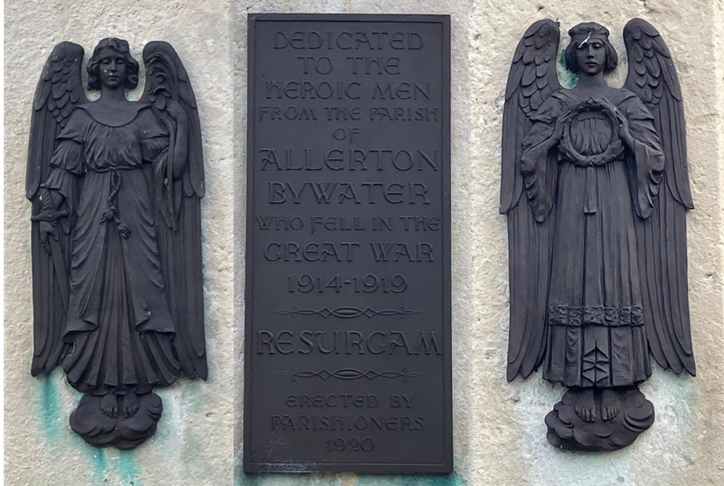
Bronze angels mounted on faces either side of the main inscription, one holding a sword and the other a wreath.
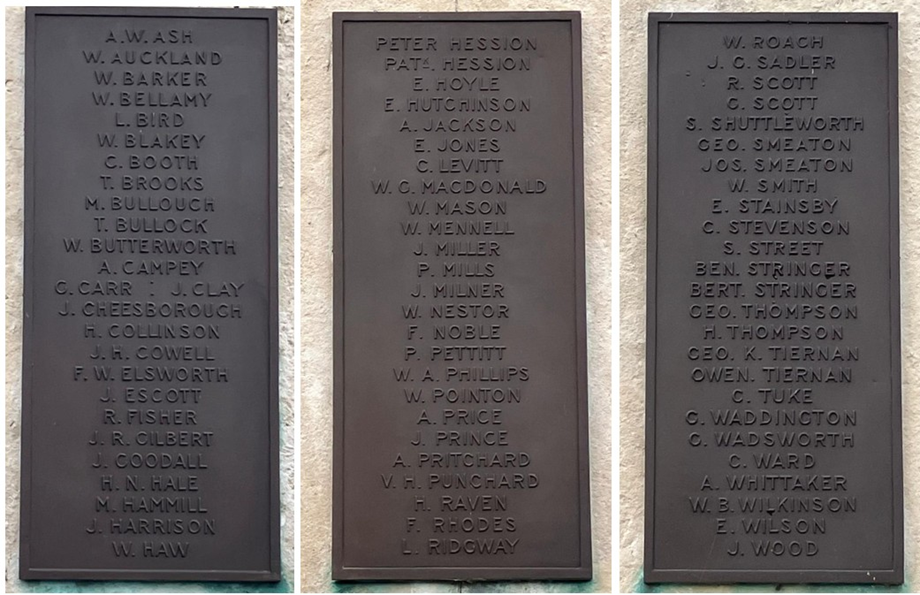
The other sides have name panels of local men who died in WW1
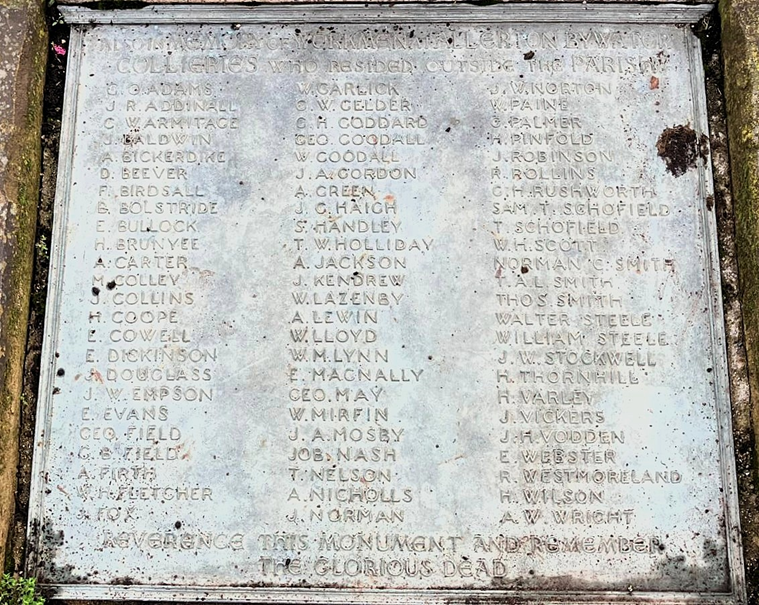
Allerton Bywater collieries panel is separate and laid at an angle at the base
Dedicated to men who worked at the colliery but lived outside the village
It cost £1000 to build and the money was raised by public subscription
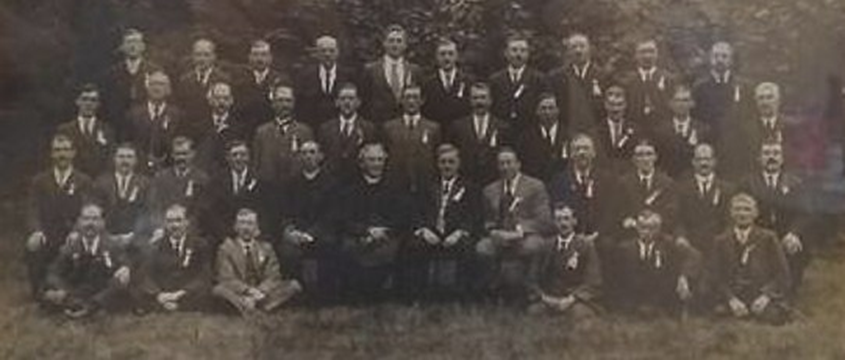
PEACE CELEBRATION and WAR MEMORIAL COMMITTEE
1918 – 1920

S. Dunwell, P. Blight, Jas. Robinson, J.B. Hudson, W. Ward, F.Linley, Hbt. Rhodes, J.W. Simpson, E. Williams, E. Brooks,
Hy. Crossland, Jr., Joe Cowell, F. Phillips, T. Webster, Geo. Phillips, J. Elsworth, M.P. Haigh, Hy. Hague, T. Wainwright, J.T. Willis, F. Fenton,
T. Wood, A. Jackson, G. Willis, Hy. Crossland, Senr., The Vicar, The Lord Bishop of Knaresborough, Walter Robinson, I. F. Roslyn, R.B.S., W. Dooley, P.R. Naylor, W. Smith, E. Andrews,
Jas. Bowers, Wm. Robinson, A. Muscroft. G. Linley, Hy. Jackson, R. Farrell.
They also presented a small medal
These Gold Medallions were probably, only given out to
Military Medal Winners from Allerton Bywater
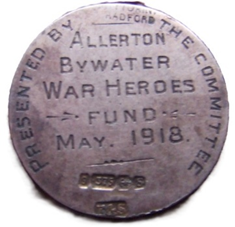
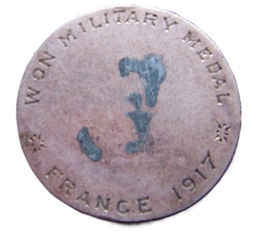
They were approx.. 25mm. ( 1 inch ) in diameter and made of 9 CARAT GOLD
FOLLOWING W.W.2.
A FURTHER PLAQUE WAS ADDED in memory of the men who fell in the 1939 – 1945 CONFLICT
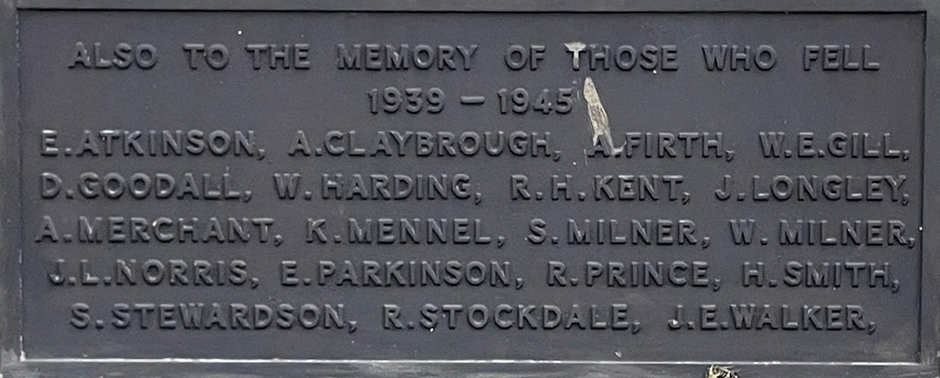
Later work was carried out around the plinth adding a small elevated flower bed, surrounded by a low stone wall.


DEDICATED
TO THE
HEROIC MEN
FROM THE PARISH
OF
ALLERTON
BYWATER
WHO FELL IN THE
GREAT WAR
1914 – 1919
RESURGAM
ERECTED BY
PARISHONERS
1920


ALSO IN MEMORY OF WORKINGMEN AT ALLERTON BYWATER
COLLIERIES WHO WERE RESIDING OUTSIDE THE PARISH
| C. O. ADAMS J. R. ADDINALL C. W. ARMITAGE J. BALDWIN A. BICKERDIKE D. BEEVER F. BIRDSALL B. BOLSTRIDE E. BULLOCK H. BRUNYEE A. CARTER M. COLLEY J. COLLINS H. COOPE E. COWELL E.DICKINSON J. DOUGLASS J. W. EMPSON E. EVANS GEO. FIELD G. B. FIELD A. FIRTH W. H. FLETCHER J. FOX | W. CARLICK G. W. GELDER G. H. GODDARD GEO. GOODALL W. GOODALL J. A. GORDON A. GREEN J. G. HAIGH S. HANDLEY T. W. HOLLIDAY A. JACKSON J. KENDREW W. LAZENBY A. LEWIN W. LLOYD W. M. LYNN E. MACNALLY GEO. MAY W. MIRFIN J. A. MOSBY JOB. NASH T. NELSON A. NICHOLLS J. NORMAN | J. W. NORTON W. PAINE G. PALMER H. PINFOLD J. ROBINSON R. ROLLINS G. H. RUSHWORTH SAM. T. SCHOFIELD T. SCHOFIELD W. H. SCOTT NORMAN C. SMITH T. A. L. SMITH THOS. SMITH WALTER STEELE WILLIAM STEELE J. W. STOCKWELL H. THORNHILL H. VARLEY J. VICKERS J. H. VODDEN E. WEBSTER R. WESTMORELAND H. WILSON A. W. WRIGHT |
REVERENCE THIS MONUMENT AND REMEMBER THE GLORIOUS DEAD

ALSO TO THE MEMORY OF THOSE WHO FELL
1939 – 1945
| E. ATKINSON, D. GOODALL, A. MERCHANT, J. L. NORRIS S. STEWARDSON, | A. CLAYBOROUGH, W. HARDING, K. MENNEL, E. PARKINSON, R. STOCKDALE | A. FIRTH, R. H. KENT, S. MILNER, R. PRINCE, J. E. WALKER. | W. E. GILL, J. LONGEY, W. MILNER, H. SMITH, |