Herbert Smith – “Ahr ‘Erbert”

Herbert Smith, a towering figure in British trade unionism, rose from abject poverty in the Yorkshire coalfields to lead the miners through some of the most tumultuous labour struggles of the early 20th century. Born into hardship, he became a symbol of working-class resilience, advocating fiercely for miners’ rights while navigating complex industrial and political landscapes. His life embodied the grit of the mining communities he represented, marked by personal triumphs, union leadership, and unyielding opposition to exploitation.

Early Life and Entry into Mining (1862–1880s)

Herbert Smith was born on July 17, 1862, in the poor house (Gilbert Union workhouse) at Great Preston, near Kippax. His father, a miner, had been killed in a mining accident days earlier, and his mother died shortly after, leaving him orphaned. He spent his early years in the workhouse until adopted by Samuel Smith, a miner, and his wife Charlotte. (We can’t be certain that Smith was his birth name with him being adopted).


Smith received no formal schooling initially but later studied informally in Glasshoughton and Pontefract. Reared by his foster parents, he experienced the harsh realities of poverty firsthand, including time in a workhouse, which later fuelled his commitment to social welfare.

At age nine, in 1871, Smith began working in the fields. By age ten, in 1872, he descended into the pits at Glass Houghton Colliery, enduring the gruelling conditions typical of child labour in Victorian mining. Despite his youth, he quickly became active in union affairs. At seventeen, around 1879, he was elected to his union’s branch committee, marking the start of his lifelong involvement in trade unionism. He also developed a reputation as a talented boxer, holding titles as a prize fighter in the Yorkshire coalfields, which honed his fighting spirit.

Before turning twenty-one, likely in the early 1880s, Smith was elected to a local school board, serving as its chairman for twelve years. He also became a Guardian of the Poor, drawing on his own workhouse experiences to advocate for the vulnerable, much like fellow unionist Will Crooks.

Rising Through Union Ranks (1889–1905)

In 1889, Smith participated in the conference that formed the Miners’ Federation of Great Britain (MFGB), a pivotal step in unifying miners’ unions nationally. Officers included Ben Pickard as president, and the federation started with 36,000 members.

By 1894, his peers elected him as checkweighman at Altofts Colliery, a role ensuring fair weighing of coal and protecting miners’ earnings. In 1896, he became Chairman of the Castleford Trades Council, expanding his influence in local labour circles. In 1897, Smith joined the Independent Labour Party (ILP), aligning with socialist ideals that would shape his career.

In 1902, he was appointed to the joint board of the South and West Yorkshire Coal owners and Workmen, facilitating negotiations between labour and management. The following year, in 1903, he was elected to the West Riding County Council, demonstrating his growing political stature. In 1904, he advanced to Vice-President of the Yorkshire Miners’ Association (YMA).

Leadership in Yorkshire and National Emergence (1906–1913)

In 1906, Smith was elected President of the YMA, a position he held until his death in 1938. Under his leadership, he emphasized practical knowledge of mining, spending about three days a fortnight underground to stay connected with workers’ realities. This hands-on approach earned him respect and an unrivalled expertise in mining operations.

Smith stood unsuccessfully as a Labour Party candidate in the Morley constituency during the December 1910 general election, highlighting his ambition to influence policy through Parliament. That same year, he led rescue efforts at the Wellington Pit Disaster in Whitehaven, showcasing his bravery and commitment to miners’ safety—a pattern that would recur.

In 1912, during the Cadeby Main Colliery disaster, which claimed 136 lives, Smith performed exhaustive rescue work. King George V and Queen Mary visited the site, where the Queen was overcome by the tragedy. Eight years later, in 1920, upon being presented to the Queen, she recalled him as “the big man in a little brown jersey who went down the Cadeby mine,” underscoring his memorable presence.

World War I and Post-War Roles (1914–1921)

In 1914, Smith played a key role in forming the Triple Industrial Alliance with the National Union of Railwaymen and the National Transport Workers’ Federation, aiming for coordinated industrial action to challenge state power. However, the outbreak of World War I halted potential strikes, leading to an “Industrial Truce” where unions agreed to avoid disruptions in exchange for profit limitations on war-related industries.

During the war, miners’ output was critical, but enlistment depleted the workforce by 17.1%. Smith navigated wage disputes, including a 1915 South Wales strike where miners secured an 18.5% increase after government intervention. In 1916, amid coal shortages, the government assumed control of the industry, appointing Alfred Milner as Coal Controller. Smith was appointed to the Coal Controller’s Advisory Board in 1917.

That year, he also became Vice-President of the MFGB, serving until 1922. In 1921, he was elected President of the Miners’ International Federation, holding the role until 1929.

Presidency of the MFGB and Major Disputes (1922–1926)

In 1922, Smith was elected President of the MFGB, succeeding Robert Smillie. He also served as a Trades Union Congress (TUC) representative to the American Federation of Labour that year, alongside Edward L. Poulton. Elected to Barnsley Town Council in November 1923, he served for eleven years.

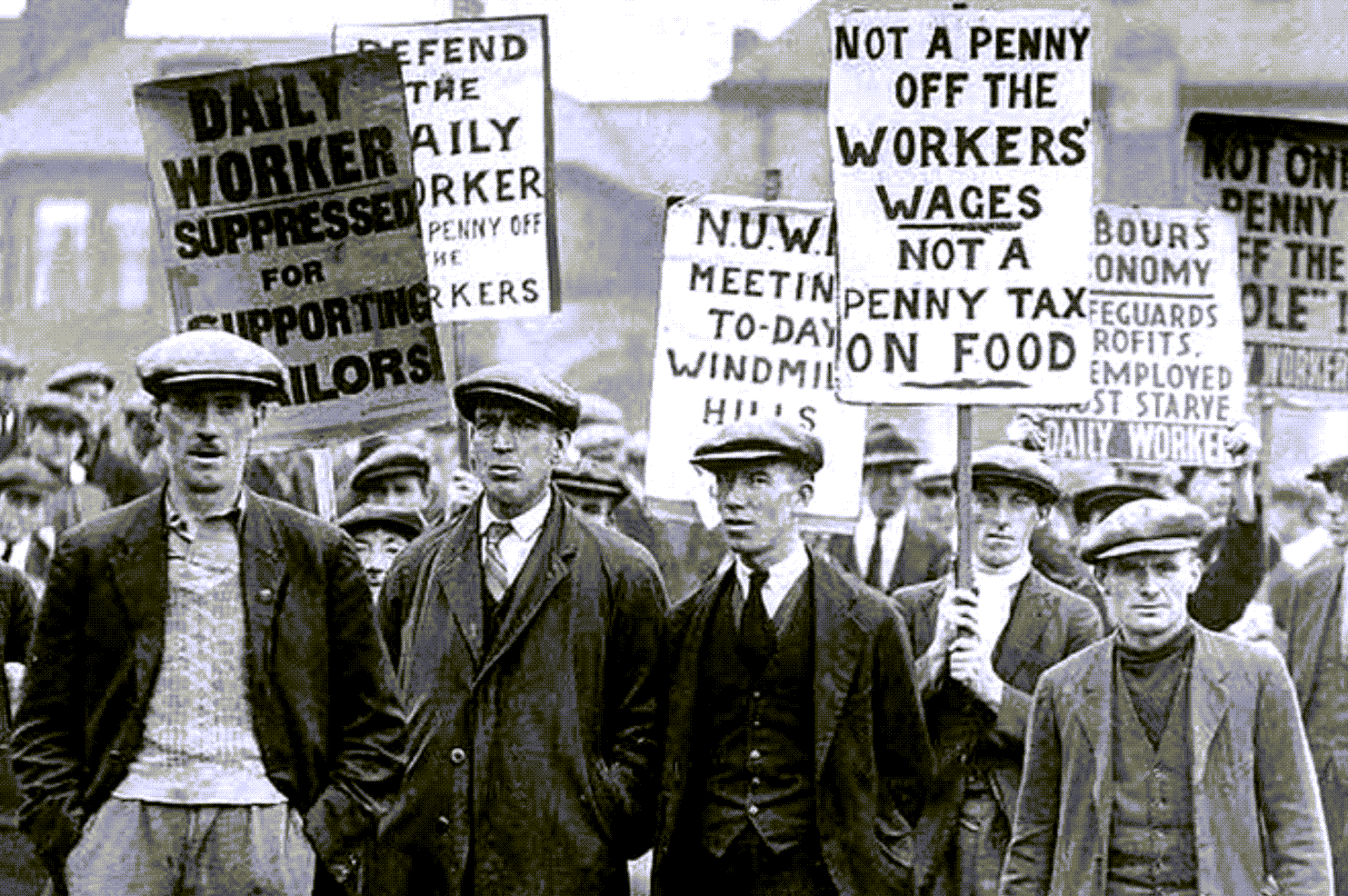
In 1924, Smith led the MFGB in a successful wage dispute, securing increases for miners. The following year, on June 30, 1925, mine owners announced wage cuts, prompting threats of a general strike. Backed by transport and railway unions, the miners held firm with the slogan “Not a penny off the pay, not a minute on the day.” On July 31, the government capitulated, providing a subsidy until May 1, 1926 – an event dubbed “Red Friday” as a victory for labour solidarity.

The Samuel Royal Commission, established to investigate the industry, reported in March 1926, criticizing owners but recommending subsidy withdrawal and wage reductions while rejecting nationalization. Smith rejected the report outright, reaffirming the miners’ stance.

The General Strike and Lockout (1926)

In May 1926, failed negotiations led to the General Strike, called by the TUC in support of the miners. Over 1.7 million workers struck, paralyzing industries. Smith, alongside MFGB Secretary A. J. Cook, led the miners, but tensions arose with TUC leaders like Jimmy Thomas. The strike ended on May 12 after nine days, with the TUC accepting Samuel’s terms, leaving miners locked out.

The seven-month lockout followed, with the government suspending the Seven Hours Act, allowing an eight-hour day. Hardship mounted, and by November, most miners returned to work under worse terms, facing victimization and blacklisting. Smith blamed the defeat on disunity but praised the miners’ motives.

Later Career and Resignation (1927–1934)

Post-strike, the 1927 Trade Disputes Act curtailed union powers, leading to MFGB membership declines. In 1929, Smith resigned as MFGB President in protest against an agreement to lengthen mining hours, which Yorkshire miners opposed. He unsuccessfully sought re-election in 1930 and 1931.

At the 1930 Miners’ Federation Conference in Weston-Super-Mare, Smith defended Yorkshire against accusations of desertion during the 1926 disputes, amid stormy debates over the “butty” system and national agreements.

Smith continued rescue work, including the Bentley Pit Disaster in 1931 and the Wharncliffe Woodmoor Colliery Disaster in 1936. In 1932, he served as Mayor of Barnsley. A 1931 nationwide collection among miners funded a bust of him at Barnsley’s Miners’ Hall and homes for aged miners named in his honour.

In November 1934, at age seventy-two, Smith retired from Barnsley Town Council after eleven years of service.

Final Years and Legacy (1935–1938)

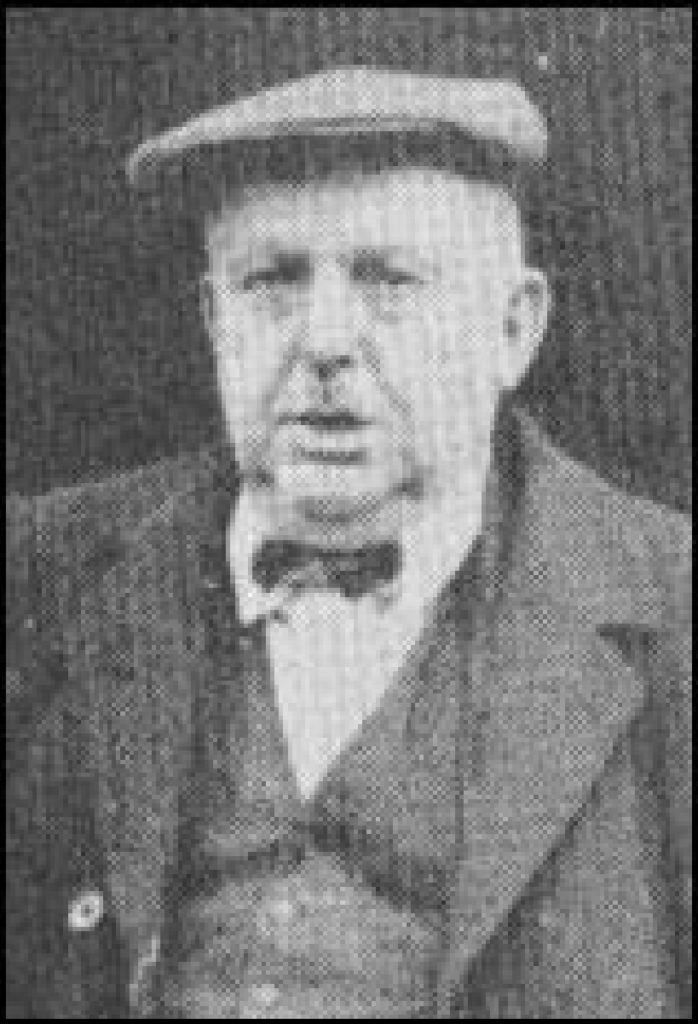
Smith remained YMA President until his death. Known for his massive build, strong jaw, and tenacity, he was a formidable negotiator with a suspicious nature toward capitalism, yet sensitive to hardship and infused with Yorkshire humour. He distrusted figures like Lord Northcliffe and fought communism within unions.

On June 16, 1938, Smith died at age seventy-five in his Miners’ Association office at 2 Huddersfield Road, Barnsley. His legacy endures as a “gallant old fighter” devoted to miners, embodying the struggle for fair wages and conditions. Obituaries highlighted his rise from workhouse orphan to union leader, and his gruff, broad Yorkshire demeanour.

Smith’s career exemplified the transition from local activism to national leadership, influencing labour history through his role in the General Strike and advocacy for miners’ welfare. Though criticized for doggedness and limited vision, his lifelong dedication inspired generations.

Citations and Credits

  • Primary details drawn from provided documents: (Spartacus Educational biography by John Simkin, updated January 2020);
  • “Leeds_Mercury_20_November_1929”;
  • “Evening Dispatch 13th August 1930”;
  • “Huddersfield_Daily_Examiner_08_September_1934_0003”.
  • Additional biographical details from Wikipedia: “Herbert Smith (trade unionist)” (accessed via tool, last edited prior to February 2026).
  • Election and constituency confirmation from Wikipedia and Spartacus Educational.
  • Obituary insights from The New York Times (June 17, 1938).
  • Conference speeches from NUM archives (1925 and 1927 addresses).

Detailed Timeline of Main Events in Allerton Bywaters History

Roman Period:

  • A Roman transport route from Castleford to York bypassed the area.
  • The River Aire likely used by Romans to supply forts, including Castleford.
  • Possible presence of Roman watchtowers along the River Aire.

Medieval Period:

  • 1410: Records indicate tithes of coal were being paid to the Vicar of Kippax, suggesting early coal mining activity in the parish, which included Allerton Bywater.

17th Century:

  • Demand from West Riding towns for better transport to Hull and the high seas drives the development of the Aire & Calder Navigation.
  • 1656: Sir John Lowther of Roundhay purchases the hamlets of Great Preston and Astley, recognizing the value of their “rich coal mines and lime quarries.”

18th Century:

  • 1699: An Act of Parliament is passed to make the River Aire navigable from Leeds, requiring the construction of locks.
  • Early 18th Century: Small boats begin to reach Leeds Bridge from Knottingley (by November 1700).
  • The Aire & Calder Navigation becomes a major waterway, facilitating coal transport and import of raw materials.
  • 1750s: Increasing traffic on the Aire & Calder Navigation leads to complaints of delays and the poor state of the river.
  • 1775: William Jessop appointed as Consultant Engineer for the Aire & Calder Navigation; his improvements allow for larger, 60-ton boats.

19th Century:

  • Early 19th Century: The area around Allerton Bywater is predominantly agricultural, with limited impact from early collieries like Fenton and Carter.
  • 1816: Completion of the Leeds and Liverpool Canal further increases traffic on the Aire & Calder Navigation, necessitating more improvements.
  • Early 19th Century: Humber Keels and sloops are used for trade on the Aire & Calder, with masts and sails lowered at Goole and horses used for towing inland.
  • 1822: Passenger services established on the Aire & Calder Navigation between Selby and Hull.
  • 1825: A new canal from Knottingley to Goole opens.
  • 1826: The Port of Goole opens, boosting trade on the Aire & Calder.
  • c. 1830: Passenger numbers on the Aire & Calder peak at around 20,000 per year.
  • 1835: Steam packet services between Leeds and Goole cease due to the owner’s death.
  • 1838: An Indenture of Enforcement mentions Thomas Davison Bland and Thomas Dobson in relation to the Allerton Potteries.
  • 1841: Census shows the majority of males in Allerton Bywater were farmers or farm labourers, with mining a minority.
  • 1843: Description of the “take” of the newly sunk Allerton Bywater Colliery (likely the Haigh Moor Seam).
  • 1853: W H Bartholomew appointed Chief Engineer of the Aire & Calder Navigation; he develops the “Tom Puddings” compartment boats, significantly increasing carrying capacity.
  • Late 1860s: Victoria Street, a double row of 58 terraced houses, is built to accommodate the influx of coal mining families.
  • 1863: Foundation stone of St Mary the Less Church laid by Mrs Davison Bland.
  • 1865: St Mary the Less Church consecrated.
  • 1867: January 1st. Parish of Allerton Bywater formed from Kippax.
  • Mid-1870s: Thomas Carter decides to sink new shafts to exploit lower seams (Silkstone and Beeston) as his existing Haigh Moor colliery nears the end of its working life. This marks the establishment of the “present” Allerton Bywater Colliery.
  • 1875: The New Silkstone and Haigh Moor Colliery (the “present” colliery) begins operation. The Kippax Colliery at Owl Wood also opens around this time.
  • Late 1870s/Early 1880s: Significant increase in the population of Allerton Bywater due to the new collieries.
  • 1881: Thomas Robinson in occupation of Allerton Bywater Pottery.
  • 1883: Thomas Robinson leases the Allerton Potteries for ten years.
  • December 1888: Sale of the Allerton Bywater Colliery completed, with John Edey becoming the owner.
  • 1897: Henry C. Embleton expresses concerns about the sale price of the colliery to John Edey.
  • November 1897: Litigation by the Silkstone & Haigh Moor Coal Company against John Edey commences.
  • 1898: Silkstone and Haigh Moor Coal Company sues John Edey for misconduct in the colliery sale.
  • February 1899: Mr. Justice Stirling delivers judgement, ruling that the sale of the colliery to John Edey should not stand, and appoints Receivers and Managers.
  • Late 1890s: Allerton Bywater Colliery secures leases for coal under land owned by John Bland and Charles Lowther.
  • December 1899: Dispute between the Colliery Co. and Estate Owners regarding unauthorised working of the Firthfield Seam.

20th Century:

  • Early 20th Century: The Co-operative Society establishes a presence in Allerton Bywater.
  • May 1900: Allerton Bywater Colliery sets a new weekly output record of 9,140 tons.
  • June 1900: The Colliery is connected to the town’s water supply but faces restrictions, leading to the sinking of its own wells.
  • 1902: The New Silkstone & Haigh Moor Collieries Limited is incorporated and purchases Allerton Bywater Colliery.
  • 1904-1905: Driving of a drift to reach the Flockton Thin Coal at the Allerton Bywater Colliery.
  • 1905: Compressed air coal cutting machines introduced at Allerton Bywater Colliery.
  • May 1905: Contract drawn up for sinking a staple pit at the colliery.
  • 1906: A Bradley & Craven steam winding engine installed at No. 2 Shaft of the colliery.
  • March 1906: The Haigh Moor Seam is opened out at the colliery through drifts driven across the Methley Junction Fault.
  • 1907: Major G.H. Peake buys a majority stake in The New Silkstone & Haigh Moor Collieries Limited.
  • 1908: The Colliery Company re-registered as The New Silkstone & Haigh Moor Coal Company Limited 1908.
  • January 1910: The Co-operative Number 2 branch relocates to Station Road.
  • c. 1912: The Staple Shaft at the colliery is deepened to the Beeston Seam.
  • 1915-1916: Correspondence regarding the working of a coal pillar under property at Nova Scotia and agreements on reduced rental due to potential subsidence.
  • 1919: The New Silkstone and Haigh Moor, Wheldale, and Fryston Collieries unite to form Airedale Collieries, with Major Peake as Chairman.
  • November 1920: Fred Linley (14 years old) and Frank Gilbert (77 years old) sign on to work at the pit, highlighting the range of ages in the workforce.
  • 1921: Winnie Cockerham’s father moves to Yorkshire to work in the mines.
  • 1925: Alf Holmes’ first full week’s pay at Victoria Pit, Bowers Row, was seven shillings and sixpence.
  • 1927: Advertisements in Parish Magazines provide a snapshot of local businesses operating at the time.
  • March 10, 1930: Explosion in the Old East District of the Silkstone Seam at Allerton Bywater Colliery.
  • 1930s: The “butty” system of mining at Allerton Bywater is superseded by the longwall system.
  • January 1939: Negotiations between L.F. Estates and Airedale Collieries result in a reduction of the minimum rent for certain coal seams.
  • World War II (1939-1945): Allerton Bywater Home Guard formed as the 13th Company of the West Riding Regiment, participating in drills and exercises.
  • 1945: Airedale Collieries Ltd acquires T. & R.W. Bowers Allerton Main Collieries.
  • December 1945 & 1946: Airedale Collieries leases additional Flockton and Haigh Moor reserves.
  • 1947: Nationalisation of coal mines in Britain, including Allerton Bywater Colliery.
  • Palm Sunday, 1947: War memorial window dedicated at St Mary the Less Church in memory of 19 parishioners who died in WWII.
  • December 31, 1951: Reginald W Veitch resigns as Head Master of Bowers Row School after 23.5 years.
  • June 16, 1950: Bowers Row School trip to London with 118 children.
  • c. 1958: The old Flockton Pit Bottom at Allerton Bywater Colliery is abandoned.
  • September 1997: Two windows from the former St Aidan’s Church at Great Preston installed at St Mary the Less Church.

21st Century:

  • October 2005: Publication of “On the street where you live” by the Allerton Bywater Community Resource Group.

Cast of Characters

  • William Jessop: (Late 18th Century) Consultant Engineer appointed to improve the Aire & Calder Navigation. His work enabled larger boats to use the waterway.
  • W H Bartholomew: (Mid-19th Century) Chief Engineer for the Aire & Calder Navigation who developed the innovative “Tom Puddings” compartment boats in 1853, significantly increasing carrying capacity.
  • Thomas Robinson: (Late 19th Century) Operated the Allerton Bywater Pottery from 1881. He leased and later purchased the pottery, employing several men and girls.
  • Sir John Bland of Kippax Park: (Late 17th/Early 18th Century) Local landowner who invested in the development of the Aire & Calder Navigation. The Bland family also owned land under which coal was later mined.
  • Christopher Lowther of Great Preston: (Late 17th/Early 18th Century) Another local landowner who invested in the Aire & Calder Navigation. The Lowther family also established Bowers Row School.
  • Thomas Davison Bland: (Early-Mid 19th Century) Possibly a descendant of Sir John Bland, mentioned in connection with an Indenture of Enforcement related to Allerton Potteries in 1838 and whose wife laid the foundation stone of St Mary the Less Church.
  • Thomas Dobson: (Early-Mid 19th Century) A previous occupant of the Allerton Potteries, mentioned in the 1838 Indenture and later in the sale documents to Thomas Robinson.
  • Thomas Jeffries and Samuel Sowden: (Mid-19th Century) Previous occupants of the Allerton Pottery before Thomas Dobson.
  • James Wells: (Mid-19th Century) Another previous occupant of the Allerton Pottery before Thomas Robinson.
  • John Edey: (Late 19th Century) Became the owner of Allerton Bywater Colliery in December 1888. His acquisition was controversial, leading to a lawsuit for grave misconduct.
  • Edwin Edey: (Late 19th Century) John Edey’s brother, who played a role in the controversial purchase of the colliery.
  • Mr. Justice Stirling: (Late 19th Century) The judge who presided over the case brought against John Edey and ruled that the sale of the colliery should not stand.
  • Mr. Wing: (Late 19th Century) Appointed as a Receiver and Manager of the Allerton Bywater Colliery by the court following the judgement against John Edey.
  • Mr. Child: (Late 19th Century) Appointed as a Receiver and Manager of the Allerton Bywater Colliery, nominated by the Wakefield and Barnsley Bank (a mortgagee of the colliery).
  • Percy Greaves: (Early 20th Century) Chairman of Fryston and Wheldale Collieries. He declined a joint venture with Major Peake but agreed to an amalgamation, leading to the formation of Airedale Collieries.
  • Major G.H. Peake: (Early 20th Century) Chairman and Managing Director of Strafford Main Collieries Limited. He bought a majority stake in Allerton Bywater Colliery in 1907 and later played a key role in the formation of Airedale Collieries, becoming its Chairman.
  • George Deakin: (Late 19th/Early 20th Century) Colliery Manager at Allerton Bywater Colliery, signing documents on behalf of the owners.
  • Henry C. Embleton: (Late 19th/Early 20th Century) Mining Engineer and surveyor for the Lane-Fox Estate, involved in matters of leases, royalties, and disputes with the Colliery Company.
  • Mr. Lane-Fox: (Late 19th/Early 20th Century) Owner of land under which coal was mined; Embleton acted as his agent in mining-related matters.
  • George Paley: (Early 20th Century) Day shift deputy at Allerton Bywater Colliery in 1930, involved in the events leading up to the explosion.
  • Reginald W Veitch MBE. B.Sc (VS) LCP,MRST.FRHS: (Mid-20th Century) Long-serving Head Master of Bowers Row School, resigning in 1951 after 23.5 years.
  • Captain Percy Wilson, Captain George Marsh, Captain Norman Dixon, Lieutenant Thomas Gladman, Sergeant Frobisher, Sergeant John Harrison, Sergeant Frank Hutchinson, Sergeant Samuel Ashton, Corporal Bernard Jones, Corporal William Lawrence, Corporal Percy Emery, Lance Corporal Jack Crossland, Lance Corporal S Epworth, Lance Corporal A Smith, Lance Corporal T Pratt, Lance Corporal J Taylor, Lance Corporal S Jones, Private Jack Moulding, Private William Keith, Private Jack Adams, Private Richard Jones, Private Richard Cheesebrough, Private Clifford Crossland, Private Arthur Barraclough, Private Roy Cockerham, Private Ronald Hewitt, Private Fred Taylor, Private Louise Dutton, Private Clarence Jones, Private Jack Taylor, Private Clifford Jones, Private Ernest Robinson, Private Harry Robinson, Private Fred Owen, Private Henry Smith, Private Eddie Clayton, Private Albert Clark, Private John Pratt, Private William Hunt, Private Reginald Wilde, Private Bert Hepworth, Lance Corporal Sydney Hepworth, Lance Corporal Albert Smith, Lance Corporal Tommy Pratt, Private Arthur Flatters, Private Ernest Holgate, Private Joseph Green, Private Maurice Fletcher, Private James Cockrem, Private Frank Denton, Private Alfred Jaques, Captain William Beecham, Private Tom Gales, Private Walter Cockerham, Private Hainsworth, Private George Barrett, Private Percy Scargill, Private Tom Payne, Private Edward Bastow, Private Fred Millar, Private Frank Colley, Private Frank Dobson, Private Albert Byram, Private Samuel Lloyd: (Mid-20th Century) Members of the Allerton Bywater Home Guard during World War II.
  • Bert Hepworth and Ronnie Hewitt: (Mid-20th Century) Drivers for the Allerton Bywater Home Guard.
  • Bill Hunt: (Mid-20th Century) Dispatch rider for the Allerton Bywater Home Guard, using a combination motorcycle and sidecar.
  • Alf Holmes: (20th Century) A miner who started working at Victoria Pit, Bowers Row in 1925 and vividly described the harsh working conditions.
  • Reg Manley: (20th Century) Winnie Cockerham’s father, who worked at Allerton Bywater pit for around forty years, dedicated to First Aid and Rescue Brigade.
  • Millicent Manley (née Milner): (20th Century) Winnie Cockerham’s mother, whose father and brother were involved in the Allerton cricket team.
  • Albert Milner: (20th Century) Millicent Manley’s brother, a talented cricketer who could have potentially played for Yorkshire and was also assistant groundsman at the Allerton cricket field.
  • Fred Prince: (20th Century) Winnie Cockerham’s uncle, who started a newsagent business in his front room before moving to Victoria Street and later Church Corner.
  • Aunt Eva: (20th Century) Fred Prince’s wife, known for baking rabbit and apple pies.
  • Tubby Whitely: (20th Century) Owned a sweet shop in Allerton Bywater, known for allowing children to exchange peelings for sweets and for Mrs. Whiteley’s unique paper cones.
  • Numerous other individuals are mentioned in connection with local businesses and the community, providing a glimpse into the social fabric of Allerton Bywater over time.

This timeline and cast of characters represent the key events and individuals highlighted in the provided sources, offering a comprehensive overview of Allerton Bywater’s history and its people.

Briefing Document: Allerton Bywater – History and Industry

This briefing document synthesises information from three sources: “On the street where you live,” “The last colliery in Leeds,” and “Yorkshire Collieries – Allerton Bywater Colliery – Eddie Downes.txt” to provide an overview of the history, key themes, and important facts related to the village of Allerton Bywater, with a particular focus on its coal mining and community development.

Main Themes:

  • The Dominance of Coal Mining: Coal mining emerges as the central pillar of Allerton Bywater’s existence for a significant period, profoundly shaping its population growth, infrastructure, social structure, and the daily lives of its inhabitants.
  • Evolution of Transport: The development of transport infrastructure, from Roman roads and river navigation (River Aire and Aire & Calder Navigation) to railways, played a crucial role in the area’s economy, particularly for the transportation of coal.
  • Community and Social Life: Despite the harsh realities of industrial work, a strong sense of community developed in Allerton Bywater, evident in local businesses, social institutions like churches and schools, and shared experiences.
  • Changes and Transformations: The village underwent significant transformations over time, from a predominantly agricultural area to a thriving mining community and, eventually, facing the decline and closure of its major industry.
  • Individual Experiences and Perspectives: The narratives and recollections of residents offer valuable insights into the lived experiences of different eras, highlighting both the hardships and the community spirit.

Most Important Ideas and Facts:

Early History and Roman Influence:

  • The Romans utilized the area for transport, with a route from Castleford to York bypassing what would become Allerton Bywater. They relied on horses and carts, and the River Aire was likely used to supply forts like the one at Castleford.
  • Traces of Roman watchtowers have been found along the riverbanks.

Development of the Aire & Calder Navigation:

  • The Aire & Calder Navigation’s development in the 17th century was driven by the West Riding towns’ need for better transport to Hull.
  • An Act of Parliament in 1699 aimed to make the River Aire navigable from Leeds, involving the construction of locks.
  • The navigation facilitated the transport of coal from Yorkshire coalfields and the import of raw materials, becoming a major waterway by the late 18th/early 19th century.
  • Improvements by William Jessop in 1775 allowed for larger boats.
  • The opening of a new canal from Knottingley to Goole in 1825 and the Port of Goole in 1826 further boosted trade.
  • Passenger services operated on the navigation but declined with the advent of railways.
  • The “Tom Puddings,” unique compartment boats developed by W H Bartholomew in 1853, significantly increased the carrying capacity on the navigation.

Coal Mining in Allerton Bywater:

  • Early Mentions: Records indicate coal mining in the area as early as 1410, with “Tithes of Coal” being paid. By 1656, the “rich coal mines” were a recognized asset.
  • Early Collieries: The first Allerton Bywater Colliery’s exact working details are unclear, but the Warren House Seam was an early workable seam at a shallow depth.
  • The New Silkstone & Haigh Moor Colliery: Sunk in 1875, this colliery, along with the slightly earlier Kippax Colliery, led to a dramatic increase in the village’s population.
  • Growth of the Village: The 19th and early 20th centuries saw significant population growth, with the 1881 census showing 1,528 residents and a rise to 3,516 by 1901. This growth was directly linked to the influx of miners.
  • Working Conditions: Alf Holmes’s account from 1925 vividly describes the harsh and unsanitary working conditions in the mines: “Your hands, face and body were covered in coal dust. It swirled all about and everything was three and four inches thick with it. We breathed it in and ate it with our bread. You just had to, there was no escape from the eternal dust.” He also details the appalling lack of proper toilet facilities.
  • “Motty” System: Up until the early 1940s, a “Motty” system (identity card) was used to track the coal filled by each face worker, with penalties for excessive muck.
  • The “Butty” System: This system operated for many years, with “butties” acting as middlemen between the mine owners and the miners, and each stall having an identification number for calculating production value.
  • The 1930 Explosion: A tragic methane explosion on 10th March 1930 in the Silkstone Seam resulted in fatalities, highlighting the inherent dangers of coal mining. The official report details the events: “a flash ‘like lightning,’ and flame was seen in 101’s gate and flame or the reflection of it in 1S’s right bank.”
  • Leases and Royalties: The colliery operated on leases from various landowners, including the Earl of Mexborough, Lane-Fox, the Wheelers, the Davison-Blands, and the Medhursts. Royalty payments were based on seam thickness and area. Negotiations regarding rents and working conditions were sometimes contentious.
  • Amalgamation and Nationalisation: In 1919, the New Silkstone and Haigh Moor, Wheldale, and Fryston Collieries merged to form Airedale Collieries. Allerton Main Colliery was later acquired. The company was nationalised in 1947.
  • Closure: Allerton Bywater Colliery was the last deep mine in the Leeds area, closing in 1992, marking the end of a significant era.
  • Output and Statistics: In May 1900, a weekly output record of 9,140 tons was set. Over 216 years of coal production, approximately 60 million tonnes of coal and 22 million tonnes of dirt were mined. The colliery used increasing amounts of electricity over time. Over 65 men lost their lives in accidents at the colliery.

Allerton Bywater Pottery:

  • Thomas Robinson operated the pottery from 1881, employing several men and girls.
  • Records detail the lease and subsequent purchase of the pottery, including kilns, workshops, and land.

Local Businesses and Community:

  • The “On the street where you live” source provides a detailed snapshot of various local businesses operating in Allerton Bywater over the years, including grocers, butchers, newsagents, bakers, drapers, cobblers, and public houses.
  • The presence of numerous inns and taverns (“Boat Inn,” “Angel Inn,” etc.) indicates the social aspect of the community.
  • Personal recollections offer insights into the services provided by these shops and the characters who ran them. For example, Tubby Whitely’s sweet shop where children could exchange peelings for sweets, and Mrs. Whiteley’s unique paper cones for sweets.
  • The Co-operative Society established a presence in the village in the early 20th century.

St Mary the Less Church:

  • The foundation stone was laid in 1863, and the church was consecrated in 1865.
  • It features stained glass windows, including a war memorial window dedicated in 1947.

Education:

  • Bowers Row School was established by the Lowthers of Swillington. Records mention school trips and long-serving headmasters.

Home Guard during World War II:

  • The Allerton Bywater Home Guard became the 13th Company of the West Riding Regiment.
  • Local men participated in drills and were eventually fully equipped with military uniforms and weapons.
  • They conducted exercises, including the use of live grenades and the Northover Projector.

Scouting:

  • A Scout troop was active in Allerton Bywater as early as 1909.
  • Meeting places varied over time, including the Old Church Hall and the Victoria Hotel.

Personal Accounts:

  • Winnie Cockerham shares memories of her father, a miner from Somerset who dedicated his life to First Aid and Rescue at the pit, and her mother’s family with connections to the local cricket club.
  • The anecdote about her father being told “We don’t give houses to foreigners” despite being from Somerset highlights potential local perceptions.
  • Memories of local shops and their proprietors offer a personal glimpse into the village’s past.

Knur and Spell:

  • The document briefly describes this traditional game involving a “knur” (wooden ball) and a spring-loaded trap.
error: Content is protected !!